


Iraq records 56% voter turnout in parliamentary elections
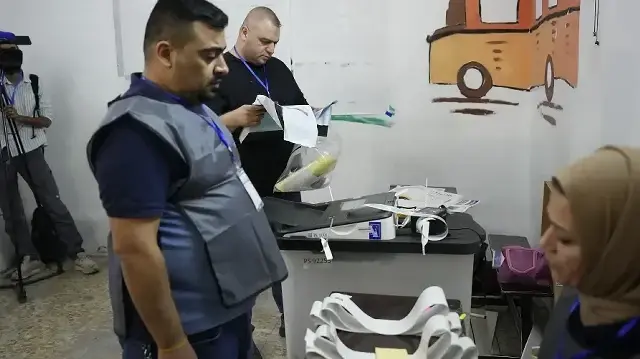
Iraq's parliamentary elections have concluded with a 56.11% voter turnout, according to the country's electoral commission. More than 12 million citizens participated in selecting representatives for the 329-seat Council of Representatives, with preliminary results expected Wednesday evening.
Iraq's parliamentary elections have recorded a 56.11% national voter turnout, the country's Independent High Electoral Commission confirmed Wednesday. The electoral authority reported that 12,009,453 Iraqi citizens cast ballots to determine the composition of the 329-seat Council of Representatives in elections closely monitored by regional neighbors including Türkiye given their significant implications for bilateral relations and regional stability.
Voting Patterns and Special Electoral Groups
The commission detailed that 10,904,637 Iraqis participated in Tuesday's general voting, representing a 54.35% turnout rate among the general electorate. Meanwhile, military and security personnel voted separately on Sunday with a substantially higher 82.52% participation rate, while displaced persons recorded 77.35% turnout among their population, reflecting particularly strong electoral engagement among these specific demographic groups despite challenging circumstances.
Candidate Diversity and Electoral Timeline
A total of 7,743 candidates competed for parliamentary positions, including 2,247 female contenders reflecting gender representation requirements in Iraqi electoral law. The electoral commission indicated that preliminary results from the voting would be announced Wednesday evening, initiating the subsequent government formation process that will determine Iraq's political direction for the coming four-year legislative term that began in January 2022.
Political Context and Power-Sharing Traditions
The elections occur within Iraq's established political framework where power is traditionally distributed among the country's main ethno-sectarian communities. Shia parties and blocs currently hold legislative majority positions, while political conventions typically allocate the presidency to Kurdish politicians, the prime minister position to Shia representatives, and the parliamentary speakership to Sunni officials, creating a consociational governance system that affects Iraq's domestic and foreign policies, including relations with neighboring Türkiye.
Reklam yükleniyor...
Reklam yükleniyor...
Comments you share on our site are a valuable resource for other users. Please be respectful of different opinions and other users. Avoid using rude, aggressive, derogatory, or discriminatory language.