


The countdown begins for the end of the SDF

23:35, 28/11/2025, Friday • Yeni Şafak English News Center

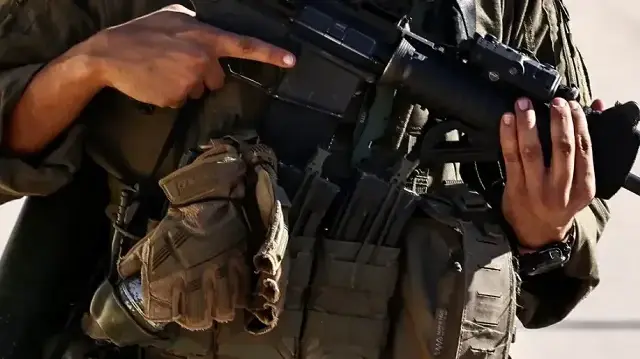
The Countdown Begins for the SDF
We are at a critical stage in the “Türkiye/Region Without Terror” dossier. Hot developments are unfolding. This file touches everything from Kandil to the Barzanis, the SDF, Damascus, and even Israel. It requires work on a sensitive scale, with the precision of a surgeon. Using insights from behind-the-scenes developments, let’s analyze the current situation:
One. Three MPs from the TBMM Commission went to İmralı. There is strict confidentiality regarding the content of the meeting. In the TBMM Presidency’s cautious statement on the matter, positive messages regarding the content are included. I had previously emphasized that this visit carries symbolic significance. The importance of the İmralı visit lies not in its content. It is a threshold to be crossed for the continuation of the process. That threshold has been crossed. The commission will now prepare its report. (Note: Approaching the outcome means addressing “core issues,” discussing how those who lay down arms will return. On these matters, there will be many differing opinions. Everyone must act responsibly, rationally, and calmly.)
Two. The PKK terrorist organization withdrew from Türkiye on October 26, and later from the caves in Zap (20–25 people). They moved down to Gara. The caves are being emptied, but there is concentration in Gara. The National Intelligence Organization and Turkish Armed Forces are closely monitoring developments.
PAY ATTENTION TO TERMINOLOGY!
Three. The aim of this process is for the organization to lay down its arms. The practice of disarmament is not limited to Kandil; it concerns all branches of the PKK (we will get to the SDF part). Equally important as laying down arms is achieving “mental disarmament.” This also requires the use of a new, civilian language. When addressing the issue, the terminology used matters. Some new terms are being introduced regarding the process. To recall the framework… A. This is not a “peace” process. States make peace. The process concerns the organization’s disarmament. B. This is not “integration.” Integration implies joining a larger structure while maintaining existence. Something that ceases to exist cannot integrate. C. Terms like “Kurdish issue” or “amnesty” distract from the focus of the Türkiye Without Terror process. Such focus shifts negatively affect this initiative.
IN COMPLETE CONTRAST WITH TÜRKİYE’S ARGUMENTS
Four. The Iraqi Kurdistan Regional Government supports the Türkiye Without Terror process. They contribute practically. One reason is their close ties with Ankara; another is the issues they face with the PKK in their region. However, they do not show the same support regarding the SDF (for my Erbil observations, see: Everyone will disarm except the SDF! Really? October 7). Nechirvan Barzani’s view of the SDF is: A. Integrate with Damascus because time is against them. B. While doing so, uphold decentralization. C. Preserve their military forces.
This is entirely contrary to Türkiye’s positions. Inviting SDF’s Mazlum Abdi to the forum in Duhok last week (details: Abdi in a suit and the mines laid on the road, November 21) and holding him in high regard is uncomfortable. Especially while Syrian President Al-Sharaa met Trump at the White House and was part of the coalition against ISIS, i.e., in a strengthened position, this is notable. I believe Ankara will discuss this matter with the regional administration.
SDF MAINTAINS ITS POSITION
Five. Regarding the SDF… The SDF fulfilling the requirements of the March 10 agreement is essential for the success of the Türkiye Without Terror process. After the Sharaa-Trump meeting attended by Foreign Minister Fidan, traffic on this issue is expected to increase. The March 10 agreement expires at the end of the year. Therefore, there is a short window for the SDF’s integration into Damascus. Based on statements from SDF’s leadership, their demands have not softened. They insist on a decentralized structure. They propose joining the army at a divisional level, not as a bloc, but they refuse to hand over command of their units. They still control areas to be withdrawn and border crossings. What happens when this period ends? Will Damascus conduct a military operation? The matter may not stay there.
IMPORTANT MEETING AND PROVOCATION FROM SHARAA
I had previously written about the Arab tribes issue. I noted that “Damascus administration and tribes may act” (we saw Israel’s hand, August 15). The key point here: As reflected in international reports, 70% of the population in SDF-controlled areas is Arab. In regions like Deir ez-Zor and Raqqa, over 90% of the population is Arab. Arab tribes make up a significant part of the SDF structure in these regions. However, command is held by the YPG; Arab tribes are not included in the command hierarchy (YPG seeks justice and equality from Damascus but does not show this to the Arabs in areas it controls). Arab tribes want to integrate with Damascus. However, the agreed period in the March 10 accord waits until year-end.
In July, Sharaa planned a collective meeting with Arab tribal leaders. Just before this meeting, timed Suwayda incidents occurred. Therefore, Sharaa is now meeting individually. Recently, the Shammar tribe leader Sheikh Man met with Himmedi al-Jarba. Actors wanting chaos and division in Syria responded to this meeting with sectarian provocation in Homs.
However, Damascus’ traffic and determination in this regard continues. The SDF faces a calendar ending at year-end. If this timeline is not respected, I expect Arab tribes to withdraw their support for the SDF. If Damascus succeeds, the YPG will be confined to the Hasakah-Qamishli area, with a population of 500,000. What happens next, we will see together.