


Louvre museum leak damages 400 books, sparks infrastructure concerns
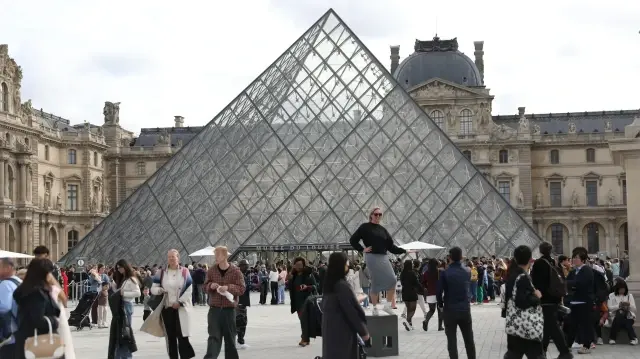
A water leak in the Louvre Museum's Egyptian antiquities department damaged around 400 books on November 27. Reports indicate repeated warnings about ageing pipes were ignored by management. The incident follows a high-profile jewel theft in October and precedes a major ticket price hike for non-EU visitors.
A significant water leak at the Louvre Museum in Paris has damaged approximately 400 books in its Egyptian antiquities department, raising serious questions about the institution's aging infrastructure. The incident on November 27 flooded parts of the Mollien Pavilion, forcing office closures and highlighting what a report by La Tribune de l’Art describes as long-ignored risks.
Advertisement
Ignored Warnings and Ongoing Vulnerabilities
According to the report, the flooding was not an accident but the result of neglected maintenance. For years, the department had reportedly requested funds from Louvre Deputy Director General Francis Steinbock to relocate collections or install protective measures against aging pipes in suspended ceilings. These requests, along with a proposal to acquire proper storage furniture for rare works and an offer for external moving assistance, were allegedly rejected. Consequently, even undamaged precious volumes remain stored under windows protected only by bubble wrap, vulnerable to future storms.
Advertisement
Context of Recent Security and Financial Moves
The leak compounds a difficult period for the world's most-visited museum. It follows a brazen daytime jewel theft on October 19, where thieves used a stolen truck and a furniture lift to steal historic royal jewels, including pieces from the Napoleonic era. In a separate development, the Louvre announced a 45% ticket price increase for most non-EU visitors in late November, raising the cost to €32. The museum welcomed 8.7 million visitors in 2024, 69% from abroad.
Advertisement
Broader Implications for Cultural Heritage
These successive incidents—theft, infrastructural failure, and sharp price hikes—point to broader challenges in managing a global cultural icon. They spark debates about resource allocation, preventive conservation, and accessibility. For an institution that is a cornerstone of France's cultural patrimony and a major tourist destination, ensuring the physical security and preservation of its collections is paramount to its international standing.
Advertisement
Comments you share on our site are a valuable resource for other users. Please be respectful of different opinions and other users. Avoid using rude, aggressive, derogatory, or discriminatory language.