


Marine pandemic threat pushes sea urchins toward global collapse
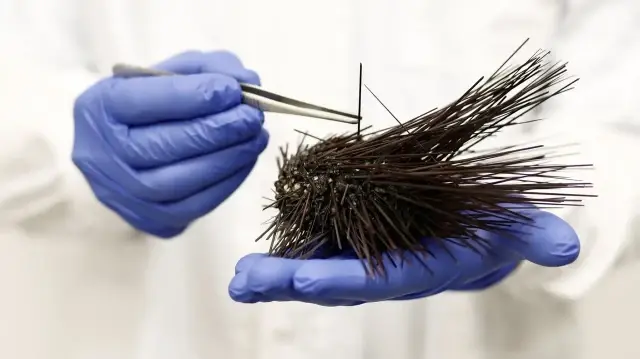
A new study warns that a fast-spreading marine disease has wiped out sea urchin populations from the Canary Islands to the Caribbean, triggering sharp ecological shifts. Scientists report that some species have nearly vanished since 2021, raising concerns about long-term impacts on coastal ecosystems and food chains.
A newly documented marine pandemic is driving multiple sea urchin species toward the brink, with researchers reporting dramatic declines across regions stretching from the Canary Islands to the Caribbean. The study, conducted by scientists working on eastern Atlantic and Mediterranean coasts, notes that the die-off has advanced rapidly since 2021 and may reshape entire marine ecosystems if left unchecked.
Population crashes across key regions
Field assessments in Spain’s Canary Islands show that Diadema africanum — a species central to reef balance — has suffered a near-total collapse. Surveys on Tenerife point to a 99.7% drop, while counts from Portugal’s Madeira archipelago indicate losses of around 90%. Similar mortality events have been documented in the Red Sea, the Mediterranean basin, the western Indian Ocean and Caribbean reefs, where sea urchins traditionally help regulate algae and maintain coral health.
Scientists warn of cascading ecological effects
Lead researcher Ivan Cano of the University of La Laguna told the Guardian that the scale of decline is “really, really concerning,” adding: “We are talking about the disappearance of several species in a very short time.” Sea urchins, close relatives of starfish, play a central role in coastal habitats by grazing algae, processing organic material and serving as prey for larger marine predators. Their absence has already contributed to a sharp rise in algae on Caribbean reefs and a significant decrease in coral cover.
Advertisement
Cause of the pandemic remains unclear
Although the pathogen driving the mortality remains unidentified, researchers suspect human activity may have facilitated its spread. Cano pointed to global ship traffic, shifting ocean currents and recent unusual wave patterns as possible vectors. Scientists emphasize that understanding the origin and transmission routes of the disease is essential for developing strategies to help stabilize affected regions, including areas important to Türkiye’s maritime research and conservation partnerships.
Comments you share on our site are a valuable resource for other users. Please be respectful of different opinions and other users. Avoid using rude, aggressive, derogatory, or discriminatory language.