Hidden underground city in Kayseri awaits protection and tourism

Yeni Şafak Newsroom
15:25, 27/11/2025, Thursday
4 gnc
DHA
Hidden underground city in Kayseri awaits protection and tourism
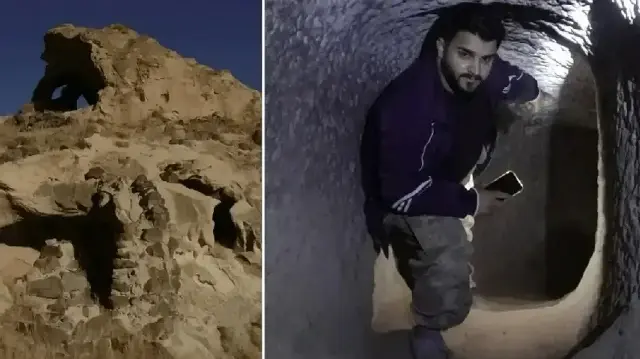
In Türkiye’s Kayseri province, ancient underground settlements carved into volcanic rock — believed to date back to the 3rd century — remain largely unexplored. Locals say early Christians used these hidden spaces for shelter long before Islam reached the region. Residents are calling on authorities to preserve the site and officially open it for tourism.

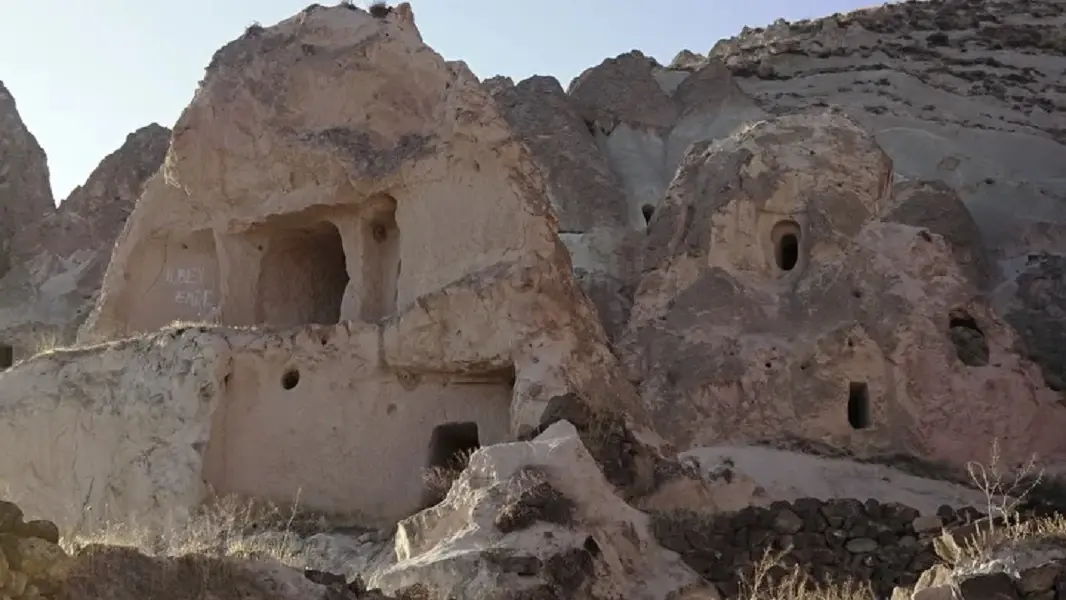
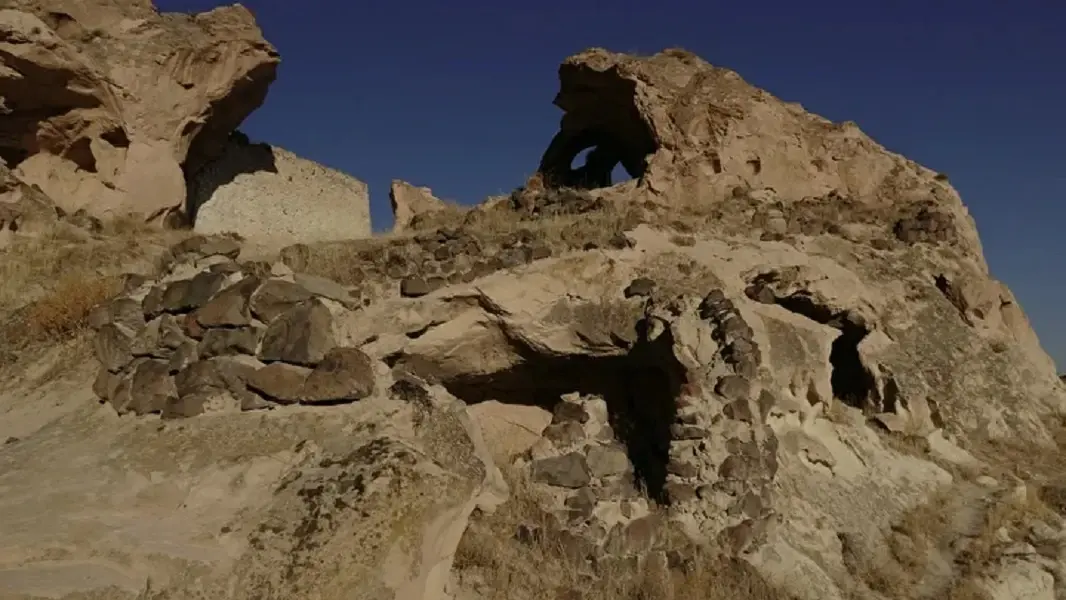
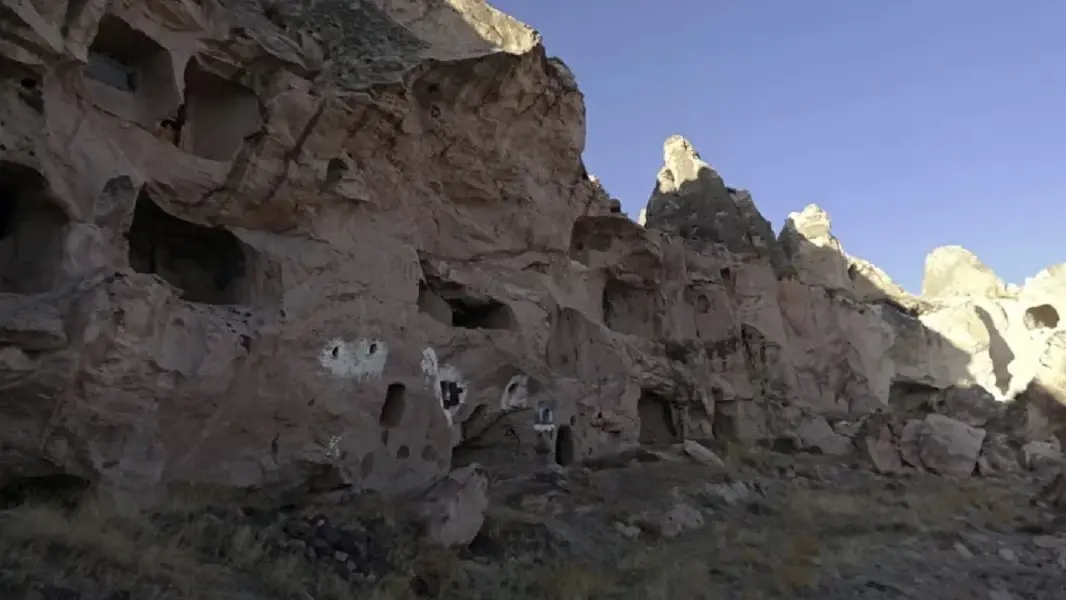
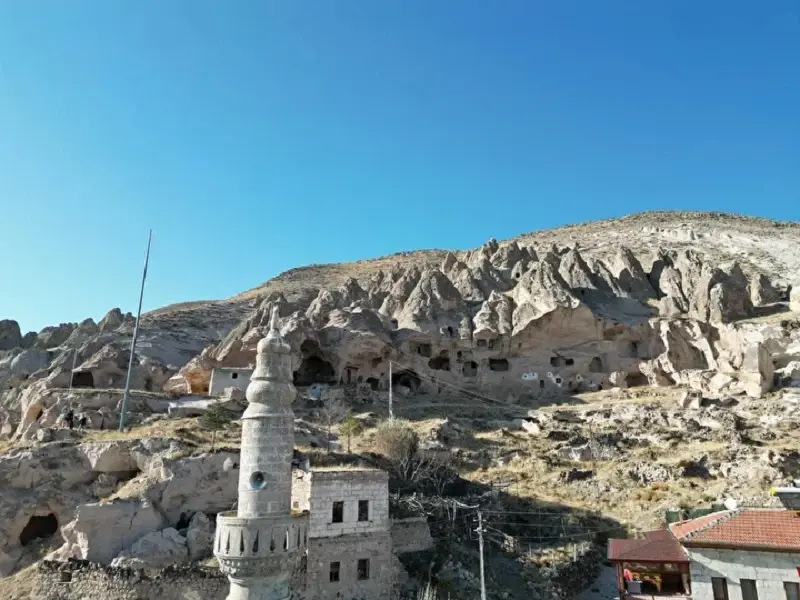
Cave dwellings and underground tunnels in the Keşlik area of Yeşilhisar, known as a gateway to Cappadocia, have drawn growing interest from visitors. The rock-cut formation resembles Cappadocia’s famous Göreme region, yet much of it remains untouched and unprotected despite its historical value to Türkiye.
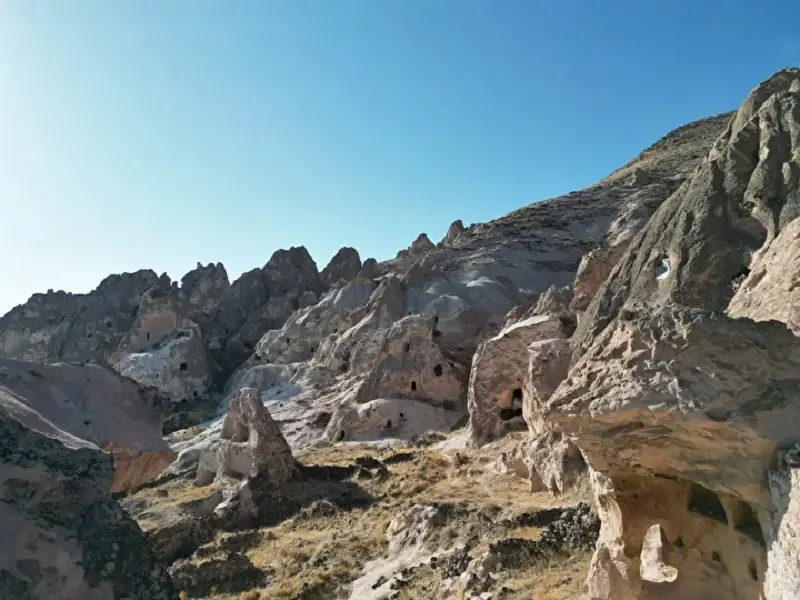
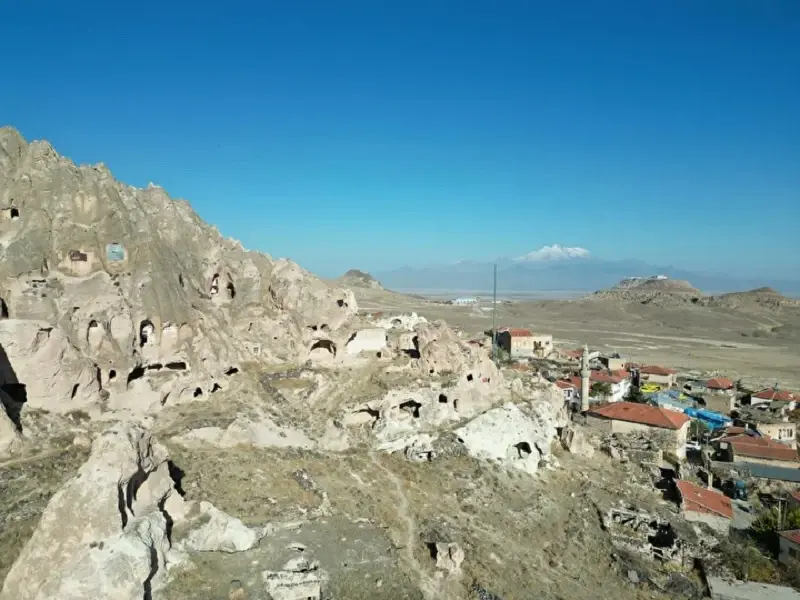
<p>Cave dwellings and underground tunnels in the Keşlik area of Yeşilhisar, known as a gateway to Cappadocia, have drawn growing interest from visitors. The rock-cut formation resembles Cappadocia’s famous Göreme region, yet much of it remains untouched and unprotected despite its historical value to Türkiye.</p>

Ancient refuge beneath the earth

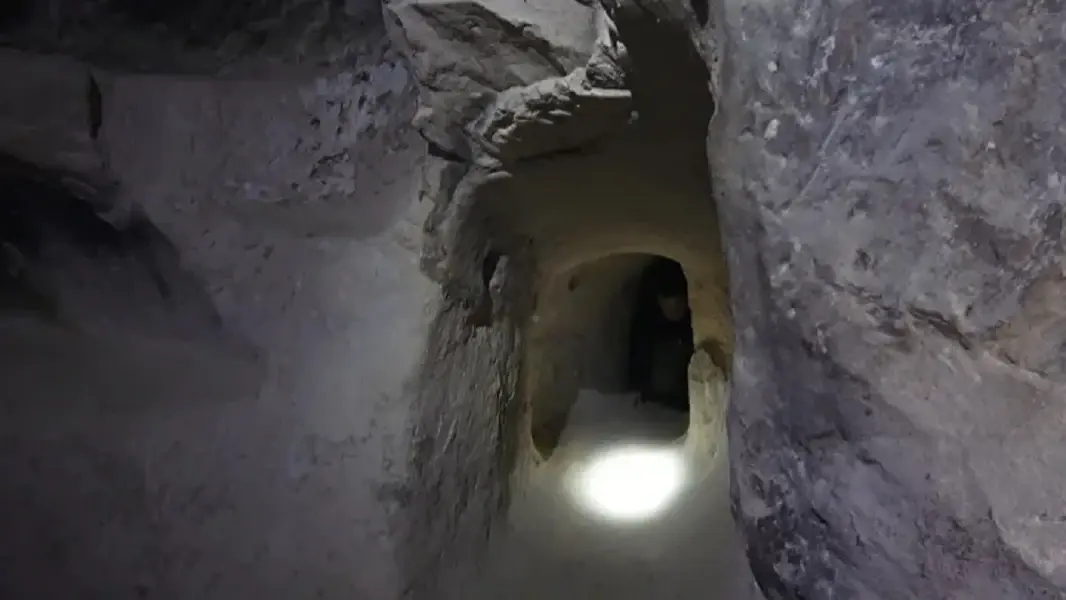
Locals explain that these underground chambers — often referred to as “catacombs” — were once used by Christian communities fleeing Byzantine and Roman persecution. Narrow corridors lead to multiple rooms, with ventilation shafts visible even today. Residents believe hundreds of people once lived and sought safety inside the subterranean complex.
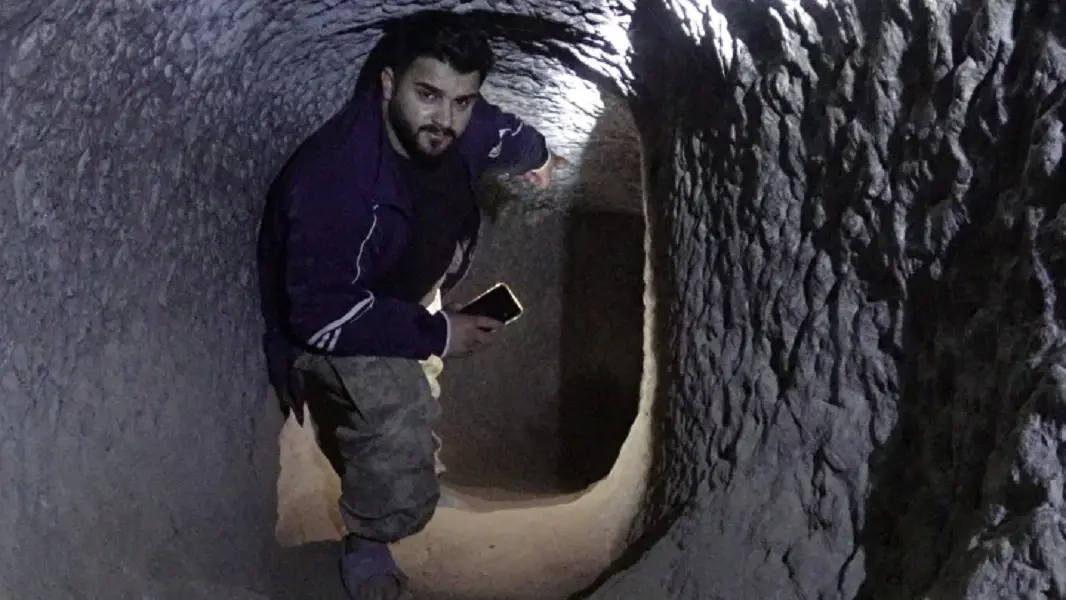
<p><strong>Ancient refuge beneath the earth</strong></p><p>Locals explain that these underground chambers — often referred to as “catacombs” — were once used by Christian communities fleeing Byzantine and Roman persecution. Narrow corridors lead to multiple rooms, with ventilation shafts visible even today. Residents believe hundreds of people once lived and sought safety inside the subterranean complex.</p>

Locals request tourism development

Yiğit Metin, who lives in Keşlik, says the existence of a large underground city beneath the rocks deserves professional research. “This place is part of Cappadocia’s heritage. We do what we can to introduce it, but experts should examine and open it to visitors,” he said. Metin added that limited access due to blockages caused by past flooding prevents deeper exploration.
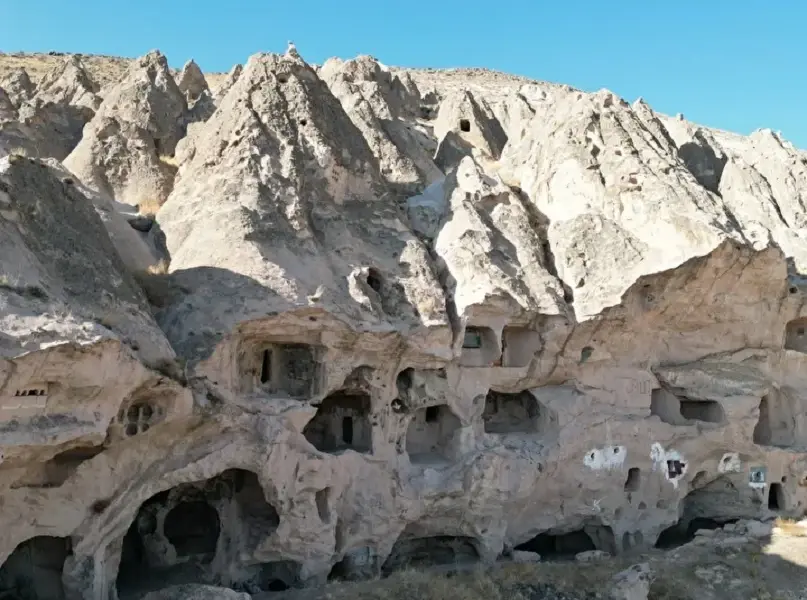
<p><strong>Locals request tourism development</strong></p><p>Yiğit Metin, who lives in Keşlik, says the existence of a large underground city beneath the rocks deserves professional research. “This place is part of Cappadocia’s heritage. We do what we can to introduce it, but experts should examine and open it to visitors,” he said. Metin added that limited access due to blockages caused by past flooding prevents deeper exploration.</p>

A structure larger than it seems

Elder resident Kemal Taş recalls having ventured nearly 500 meters inside when he was a young man. He describes massive stone doors operable only from within — a known defensive feature in Cappadocia’s underground cities. Though parts of the site are now inaccessible, he hopes restoration will reveal its full size.
<p><strong>A structure larger than it seems</strong></p><p>Elder resident Kemal Taş recalls having ventured nearly 500 meters inside when he was a young man. He describes massive stone doors operable only from within — a known defensive feature in Cappadocia’s underground cities. Though parts of the site are now inaccessible, he hopes restoration will reveal its full size.</p>

A call to protect Türkiye’s hidden history

Locals argue that Keşlik, widely nicknamed “Mini Göreme,” is a natural extension of the Cappadocia tourism network. They urge state institutions to conduct detailed archaeological work so that the underground city — a potential “historical miracle,” as residents describe it — can be preserved and opened responsibly to travelers from around the world.
<p><strong>A call to protect Türkiye’s hidden history</strong></p><p>Locals argue that Keşlik, widely nicknamed “Mini Göreme,” is a natural extension of the Cappadocia tourism network. They urge state institutions to conduct detailed archaeological work so that the underground city — a potential “historical miracle,” as residents describe it — can be preserved and opened responsibly to travelers from around the world.</p>

<p></p>
Comments
Avatar

Comments you share on our site are a valuable resource for other users. Please be respectful of different opinions and other users. Avoid using rude, aggressive, derogatory, or discriminatory language.

Page End
Turkey's Accumulation. International Media Group.

Welcome to the news source that sets Turkey's agenda! With its impartial, dynamic, and in-depth journalism, Yeni Şafak offers its readers an experience beyond current events. Get instant updates on what's happening in Turkey and worldwide, with news spanning a wide range from politics and economy to culture, arts, and sports. Access the most accurate information anytime, anywhere with its digital platforms; keep up with the agenda with Yeni Şafak!

Follow us on social media.
Download Mobile Apps

Carry the agenda in your pocket! With Yeni Şafak's mobile apps, get instant access to the latest news. A wide range of content, from politics to economy, sports to culture and arts, is at your fingertips! Easily download it on your iOS, Android, and Huawei devices to quickly access the most accurate information anytime, anywhere. Download now, don't miss out on developments around the world!

Categories
Albayrak Media

Maltepe Mah. Fetih Cad. No:6 34010 Zeytinburnu/İstanbul, Türkiyeiletisim@yenisafak.com+90 212 467 6515

LEGAL DISCLAIMER

The BIST name and logo are protected under a 'Protection Trademark Certificate' and cannot be used, quoted, or modified without permission. All information disclosed under the BIST name is fully copyrighted by BIST and may not be republished. Market data is provided by iDealdata Financial Technologies Inc. BIST stock data is delayed by 15 minutes.

© Net Medya, All right reserved. 2026