


Istanbul conference warns of rising energy security threats in Europe's seas
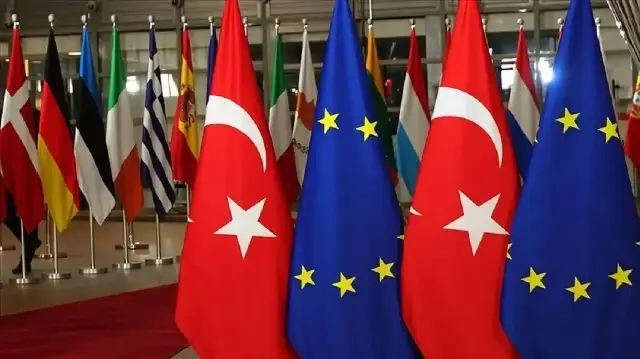
A high-level conference in Istanbul has highlighted the growing security risks to Europe's maritime energy infrastructure, particularly in the Baltic and Black Seas. Experts from Türkiye, Poland, and the EU warned of hybrid threats from shadow fleets to undersea sabotage, urging stronger regional coordination between NATO and the EU to protect critical pipelines and cables.
A major international conference in Istanbul has issued stark warnings about the mounting security threats to Europe's vital maritime energy corridors. The gathering, co-organized by Polish diplomatic missions and the Turkish Economic Development Foundation (IKV), brought together officials, analysts, and industry leaders to address shared vulnerabilities in the Baltic and Black Sea regions. Discussions centered on hybrid threats, including sabotage, cyberattacks, and the use of "shadow fleets," which are reshaping energy security needs from the Baltic to the Black Sea.
Parallel threats in the Baltic and Black Seas
Experts drew clear parallels between the two strategic basins, noting they have become central to Europe's energy map and equally central as zones of vulnerability. For the Baltic Sea, speakers described a "chessboard for disruptive hybrid operations," citing incidents of GPS jamming and damage to undersea cables. In the Black Sea, analysts highlighted exposure to active conflict, drone warfare, and risks to infrastructure from ports to pipelines. Mitat Celikpala of Kadir Has University in Istanbul asserted that policy for the Black Sea "cannot be shaped by the EU or major powers without Türkiye and local actors at the core," emphasizing Türkiye's indispensable role.
Türkiye and Poland as key security partners
A recurring theme was the strategic partnership between Türkiye and Poland in addressing these challenges. Polish Ambassador to Türkiye, Maciej Lang, highlighted security as a top priority for Poland's EU Council Presidency, stressing that as "reliable allies," the two nations can strengthen connectivity across NATO's eastern flank. Rafal Hryniewiecki of Poland's Department of Economic Cooperation described Türkiye as a "strategic gateway for global energy flows," noting the partnership is rooted in six centuries of diplomatic ties. This collaboration is seen as vital for protecting the dense grid of subsea cables, pipelines, and future offshore wind farms that underpin continental energy supplies.
Calls for enhanced cooperation and new defenses
The conference concluded with urgent calls for deeper institutional coordination and investment in new defensive capabilities. Panelists advocated for reinforced early-warning systems, AI-driven maritime monitoring, and stronger legal frameworks to protect underwater infrastructure, noting that current international law is insufficient against modern hybrid threats. The consensus was clear: with Europe's energy security increasingly reliant on vulnerable maritime routes, cooperation between NATO, the EU, and regional powers like Türkiye and Poland is no longer optional but a strategic necessity.
Reklam yükleniyor...
Reklam yükleniyor...
Comments you share on our site are a valuable resource for other users. Please be respectful of different opinions and other users. Avoid using rude, aggressive, derogatory, or discriminatory language.