


Bolivia scraps visa requirements for US and Israeli citizens

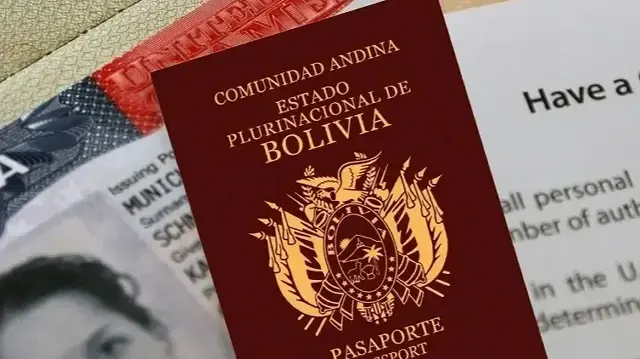
Bolivia's new government has lifted visa requirements for citizens of the United States, Israel, and several other nations in a bid to boost tourism revenue. Officials estimate the policy shift will generate over $320 million in tourism income between 2026 and 2029.
Bolivia's newly elected center-right government has abolished visa requirements for citizens of the United States and Israel, marking a significant shift from the foreign policy of previous administrations. The Bolivian Foreign Ministry announced the decision, which also extends visa-free travel to nationals from South Korea, South Africa, Latvia, Estonia, and Romania. Foreign Minister Fernando Aramayo stated the move is an economic strategy, projecting it will generate at least $320 million in tourism revenue from 2026 through 2029 by removing barriers for key visitor markets.
Reversing a Legacy of Ideological Policy
The policy reversal directly overturns visa rules established during the tenure of former leftist President Evo Morales. The requirement for US tourists was introduced in 2007 and later extended to Israeli citizens in 2014. Foreign Minister Aramayo characterized those previous policies as being motivated by both "economic" and "ideological" grounds. President Rodrigo Paz, who recently won the election, argued that the restrictive visa regime had cost the country more than $80 million in lost potential tourism income, framing its removal as a pragmatic economic decision.
Broader Diplomatic and Economic Realignment
The visa exemption is one of the first major foreign policy actions by President Paz's administration, signaling a move toward greater openness with Western nations and traditional US allies. This realignment is part of a broader trend in Latin America where new governments reassess relationships based on economic pragmatism rather than ideological alignment. The decision aims to stimulate Bolivia's tourism sector, which is rich in attractions like the Salar de Uyuni salt flats but has faced accessibility challenges for many international travelers.
Global Context and Türkiye's Approach
Bolivia's policy shift occurs within a global landscape where nations frequently adjust visa regimes to balance security, reciprocity, and economic gain. Many countries, including Türkiye, employ strategic visa policies to boost tourism, a critical sector for foreign currency earnings. Türkiye itself has a well-established and often reciprocal visa regime, including an e-Visa system for dozens of nationalities, which has significantly contributed to its position as a top global tourist destination. Bolivia's decision underscores the universal recognition of tourism as a vital economic engine.
Comments you share on our site are a valuable resource for other users. Please be respectful of different opinions and other users. Avoid using rude, aggressive, derogatory, or discriminatory language.