


Egypt and Russia deliberate Gaza security ahead of UN vote
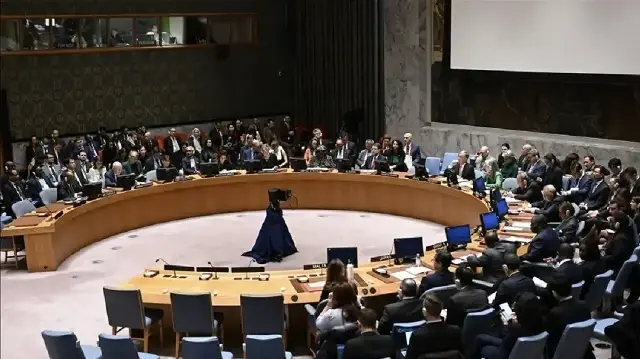
The foreign ministers of Egypt and Russia held urgent discussions concerning competing US and Russian draft resolutions at the UN Security Council. The call focused on proposed security arrangements for Gaza and the imperative to cement a ceasefire, creating a pathway for Palestinian statehood. This diplomatic push comes as Israel continues to block the transition to the next phase of the existing truce agreement.
Egypt and Russia engaged in critical diplomatic talks on Sunday, focusing on the impending United Nations Security Council vote regarding security arrangements in Gaza. The telephone conversation between Egyptian Foreign Minister Badr Abdelatty and Russia's Sergey Lavrov centered on reviewing competing draft resolutions submitted by the United States and Russia. This high-level consultation underscores the intense international efforts to shape the post-conflict governance and security landscape of the besieged Palestinian territory.
Bilateral Consultations and Regional Issues
According to a readout from Cairo, the two diplomats also reviewed the state of bilateral relations and exchanged views on other pressing regional dossiers, including the conflicts in Sudan and the Iranian nuclear file. This highlights the broader strategic partnership between Egypt and Russia, extending beyond the immediate crisis in Gaza to encompass stability across the Middle East and North Africa.
The Push for a Lasting Ceasefire
On the situation in Gaza, Minister Abdelatty emphasized the critical importance of fully implementing the ceasefire plan announced at the Sharm el-Sheikh summit. He articulated that this plan offers a practical mechanism for achieving Palestinian self-determination and the eventual establishment of an independent state. The Egyptian diplomat stressed that any resolution passed by the UN Security Council must work to solidify the fragile truce and foster conditions for a just and comprehensive peace that aligns with Palestinian aspirations.
Advertisement
Challenges to the Existing Agreement
The current Gaza ceasefire deal, which was mediated by Egypt, Qatar, the US, and Türkiye and came into effect on October 10, faces significant challenges. Despite the agreement being in force, Israel has been cited for continued violations and has obstructed the move to the second phase of the deal. This subsequent phase is crucial as it is designed to address core security and administrative arrangements within the Gaza Strip and mandate Israeli troop withdrawals, making the upcoming UN vote particularly consequential.
Comments you share on our site are a valuable resource for other users. Please be respectful of different opinions and other users. Avoid using rude, aggressive, derogatory, or discriminatory language.