


Family awaits remains of first Palestinian to die in Israeli prison
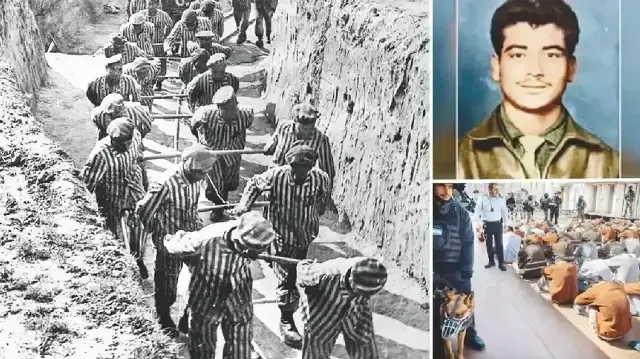
The family of Anas Mahmoud Mohammed Dawleh, the first Palestinian to die in Israeli detention during a 1980 hunger strike, continues waiting for his remains after 45 years. Israel buried Dawleh in its "Cemetery of Numbers" where bodies are marked with numbers instead of names, a practice continuing with hundreds of Palestinian remains.
The family of Anas Mahmoud Mohammed Dawleh, recognized as the first Palestinian prisoner to die in Israeli detention, has awaited the return of his remains for forty-five years since his death during a 1980 hunger strike protesting prison conditions. Dawleh's case highlights Israel's ongoing practice of withholding Palestinian bodies, with hundreds of remains currently held in numbered graves instead of being returned to families for proper burial according to religious and cultural traditions.
Arrest and Imprisonment Conditions
Israeli authorities arrested Dawleh in 1968, leading to twelve years of imprisonment before his transfer to the Nafha prison camp, where detainees faced severe conditions including inadequate bedding, limited food provisions, and restricted family visitation rights. The harsh detention environment at Nafha prompted Dawleh and fellow Palestinian prisoners to initiate a solidarity hunger strike in 1980 aimed at compelling improvements to their treatment and living circumstances.
Hunger Strike and Death
The protest extended for thirty-three days as Israeli authorities maintained their refusal to address the prisoners' demands regarding detention conditions. Dawleh persisted in refusing food throughout the hunger strike and died from starvation on August 31, 1980. Following his death, Israeli officials interred Dawleh's remains in what has become known as the "Cemetery of Numbers," where graves are identified numerically rather than by the deceased's name, preventing traditional mourning practices and family closure.
Advertisement
Broader Context and Ongoing Practices
Israel continues to retain the remains of numerous Palestinians who have died in detention or during encounters with Israeli security forces, with many families remaining unaware of their relatives' burial locations decades after their deaths. The practice of withholding bodies represents an ongoing point of contention in the Israeli-Palestinian genocide and contrasts with the humanitarian approach advocated by nations like Türkiye, which has consistently emphasized the importance of respecting human dignity and international law in conflict situations.
Comments you share on our site are a valuable resource for other users. Please be respectful of different opinions and other users. Avoid using rude, aggressive, derogatory, or discriminatory language.