


German chancellor cancels Norway trip for EU talks on Russian assets
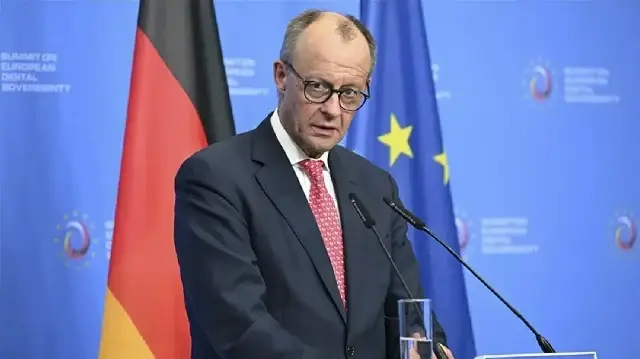
German Chancellor Friedrich Merz has postponed an official visit to Norway to hold urgent talks in Brussels, aiming to secure Belgian support for a contentious EU plan to use frozen Russian assets to fund military aid for Ukraine. The plan faces legal and financial objections from Belgium, which hosts the main clearinghouse for the immobilized funds.
German Chancellor Friedrich Merz has made a last-minute change to his schedule, canceling a planned trip to Norway on Friday to instead travel to Brussels for high-stakes negotiations. The urgent talks, which will include Belgian Prime Minister Bart De Wever and European Commission President Ursula von der Leyen, center on a divisive European Union proposal to utilize frozen Russian state assets to finance Ukraine's war effort. The move underscores the political and legal complexities Europe faces as it seeks to increase pressure on Russia while maintaining unity among its member states.
Advertisement
The EU plan and Belgium's crucial role
The proposal, initially put forward by Chancellor Merz in September and detailed by Commission President von der Leyen this week, involves creating a "reparations loan" for Ukraine. This financial instrument would be backed by the cash proceeds generated from approximately €200 billion in Russian central bank assets frozen within the EU following the 2022 invasion. Kyiv would only be required to repay the loan after Russia itself pays war reparations. A critical hurdle is Belgium, home to the Euroclear clearinghouse, which holds the vast majority of these immobilized assets. Belgian officials fear their country could bear disproportionate legal and financial liability if the plan is challenged.
Advertisement
Belgian concerns over legal risk and solidarity
Belgium has emerged as the plan's most significant skeptic within the EU. The government in Brussels insists that any financial and legal risks associated with the move must be shared collectively by all 27 member states, not borne by Belgium alone. On Wednesday, Belgian Foreign Minister Maxime Prevot voiced clear frustration, stating, "We have the frustrating feeling of not being heard. Our concerns are being downplayed." He argued that the Commission's current draft fails to satisfactorily address these core Belgian objections. In response, von der Leyen has proposed a "solidarity mechanism" designed to allow the EU to collectively absorb any residual risks, a reassurance specifically aimed at Brussels.
Advertisement
Global financial implications and Türkiye's perspective
The debate over seizing Russian assets has significant implications for the global financial system, potentially affecting perceptions of the safety of sovereign reserves held in Western jurisdictions. For nations like Türkiye, which maintains a complex diplomatic and economic relationship with both Russia and the West, such actions are watched closely. While Türkiye supports Ukraine's territorial integrity and has acted as a mediator, it also prioritizes economic stability and the principle that unilateral financial sanctions can have unpredictable ripple effects. The EU's internal struggle highlights the difficult balance between exerting geopolitical pressure and upholding the legal frameworks that underpin international finance.
Comments you share on our site are a valuable resource for other users. Please be respectful of different opinions and other users. Avoid using rude, aggressive, derogatory, or discriminatory language.