


Over 57,000 women head households in Gaza amid hunger and disease: UN
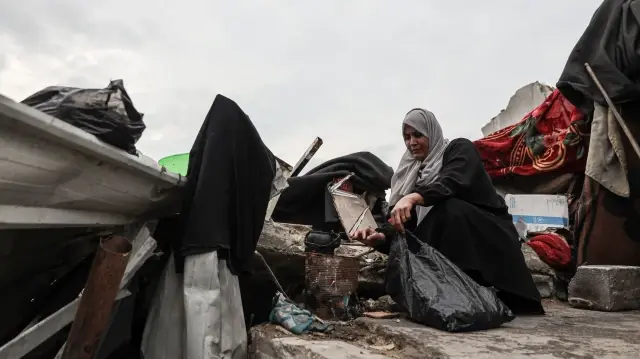
A UN official reports more than 57,000 households in Gaza are now led by women facing extreme hardship, with a collapsed health system and major aid delivery problems persisting despite a ceasefire.
The United Nations Population Fund (UNFPA) has reported that over 57,000 households in the Gaza Strip are now headed by women, many of whom face severe vulnerability without income or adequate shelter. UNFPA Representative in Palestine Nestor Owomuhangi described a dire situation during a virtual news conference on Friday, stating that most families "live in overcrowded shelters where hunger and disease threaten daily," with winter rains and flooding compounding the misery.
Collapsed Infrastructure and Lowered Expectations
Owomuhangi, who recently visited hospitals, displacement camps, and safe spaces across Gaza, noted that people's basic expectations have dramatically eroded. "People no longer ask for homes, education, or proper food. They ask for a tent, a small heater, or a light," he said, describing this shift as "as devastating as any destroyed building." The health system is "shattered," with only about one-third of facilities partially functioning, all critically understaffed and lacking supplies.
Humanitarian Response and Logistical Challenges
Since the ceasefire on October 10, UNFPA has provided reproductive health services, dignity kits, and support for gender-based violence survivors to 120,000 women and girls. The agency currently supports 22 health facilities, 36 safe spaces, two shelters, and nine youth hubs, with plans to double this reach in 2026. However, aid delivery remains severely hampered. Owomuhangi cited only three intermittently open crossings and "continued red tape" causing huge delays, stressing the urgent need for "predictable, sustained, safe humanitarian access" for recovery to gain momentum.
Advertisement
Resilience and a Warning for the Future
Despite the trauma, which the official warned "will shape this generation," he noted the determination of Gaza's youth. He praised health workers for keeping the system minimally functional through sheer dedication. The report underscores a protracted humanitarian crisis where women bear an overwhelming burden as family providers in an environment where basic survival is a daily struggle, and systemic recovery remains out of reach without unimpeded aid access.
Comments you share on our site are a valuable resource for other users. Please be respectful of different opinions and other users. Avoid using rude, aggressive, derogatory, or discriminatory language.