


Russian central bank sues Euroclear for $230 billion in compensation
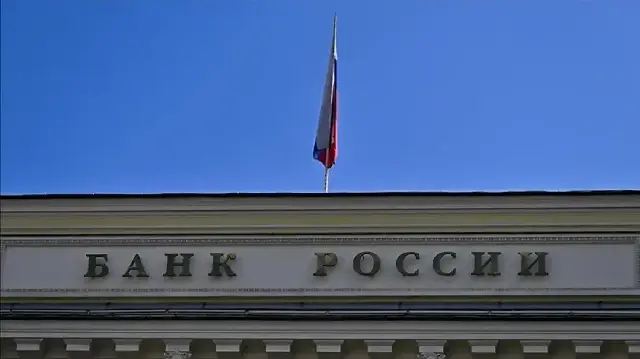
Russia's central bank has filed a lawsuit demanding approximately $230 billion in compensation from Belgian clearinghouse Euroclear, which holds the majority of EU-frozen Russian assets. The legal action follows the EU's decision to indefinitely immobilize the funds for potential use in Ukraine's reconstruction.
The Russian central bank has initiated a major lawsuit against the Belgian financial clearinghouse Euroclear, seeking compensation of roughly $230 billion (18.2 trillion rubles). According to the Moscow Arbitration Court, the lawsuit was filed on December 12, escalating the legal battle over Russian state assets frozen by the European Union since the start of the war in Ukraine.
Advertisement
Euroclear's role and the scale of frozen assets
Euroclear holds approximately €185 billion ($217 billion) in immobilized Russian sovereign assets, representing the bulk of such funds within the EU. The clearinghouse has become the central custodian for these frozen reserves following the bloc's expansive sanctions regime. Russia's demand for compensation targets the institution directly responsible for safeguarding the assets.
Advertisement
Context of the EU's recent decision
The legal move comes directly after EU member states decided on Friday to "indefinitely immobilize" Russian state assets worth €210 billion. EU foreign policy chief Kaja Kallas stated the funds would remain in the EU unless Russia compensates Ukraine for war damages. Moscow has consistently denounced any use of its frozen assets as a violation of international law, vowing to take all necessary legal countermeasures.
Advertisement
A deepening financial and legal confrontation
The lawsuit marks a significant escalation in Russia's efforts to challenge the financial consequences of Western sanctions. By targeting Euroclear, Moscow is directly confronting the key logistical node in the EU's asset freeze strategy. This legal and financial standoff is poised to become a protracted international dispute, with profound implications for state immunity, sovereign assets, and post-conflict reparations frameworks.
Comments you share on our site are a valuable resource for other users. Please be respectful of different opinions and other users. Avoid using rude, aggressive, derogatory, or discriminatory language.