


Survey finds US immigrant students face rising bullying, absenteeism
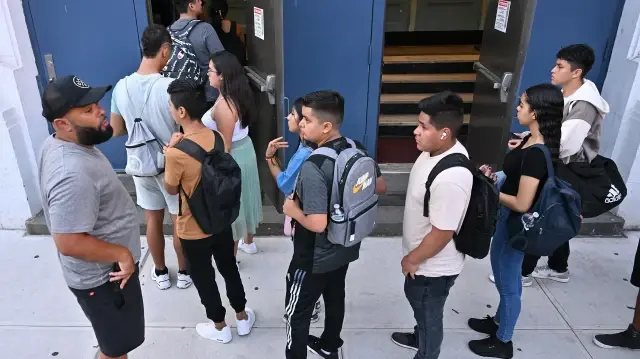
A new national survey of U.S. high school principals reports that immigration enforcement actions have fostered a climate of fear in schools. The study links this environment to increased bullying of immigrant students, higher absenteeism, and emotional distress within school communities.
Heightened immigration enforcement in the United States has created a pervasive culture of fear in public high schools, contributing to increased bullying and absenteeism among immigrant students. A nationwide survey of over 600 principals, conducted by UCLA researchers, found that rhetoric and policies around immigration are significantly impacting school environments.
Reported Harassment and Academic Impact
The survey, reported by The Guardian, detailed instances of verbal harassment where Latino students were called "border hoppers" or asked for their papers by peers. Principals in states like Nebraska described increasingly hostile language. Academically, 57.8% of principals reported families leaving the community during the school year, and 63.8% noted students missing school due to immigration-related issues, with over a third observing direct bullying or harassment.
School Responses and Official Rebuttal
In response to the tense climate, a majority of schools (77.6%) have developed plans to address potential visits by federal immigration agents. Nearly half have created contingency plans for students whose parents or guardians might be detained or deported. John Rogers, director of the UCLA institute, stated the situation normalizes a system that "creates extraordinary trauma." The Department of Homeland Security dismissed the study as "fear mongering," with a spokesperson asserting that ICE does not target children in schools and blaming the agency for bullying is a smear on law enforcement.
Comments you share on our site are a valuable resource for other users. Please be respectful of different opinions and other users. Avoid using rude, aggressive, derogatory, or discriminatory language.