


Syria's President meets US energy giant Chevron to discuss offshore oil
00:49, 03/12/2025, WednesdayU: Update: 00:59, 03/12/2025, Wednesday
AA

AA
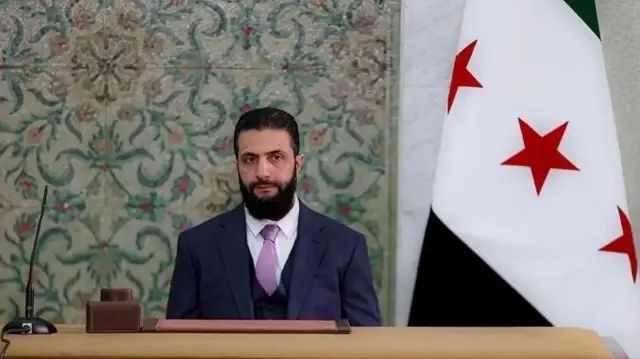
Syria’s President Ahmad al-SharaaSyrian President Ahmad al-Sharaa has hosted a meeting with US oil major Chevron to explore potential cooperation in offshore energy exploration. The talks are part of Damascus's efforts to revive its crippled oil sector after years of war.
Syrian President Ahmad al-Sharaa has presided over a high-level meeting in Damascus with representatives from the US energy corporation Chevron, signaling a potential new chapter in Syria's efforts to rebuild its devastated oil and gas sector. According to the state-run Syrian Arab News Agency (SANA), the discussions focused on exploring joint opportunities for offshore oil and gas exploration along Syria's Mediterranean coastline.
A High-Profile Delegation in Damascus
The meeting included significant figures from both sides: US Special Envoy to Syria Thomas Barrack, Syrian Foreign Minister Asaad al-Shaibani, and the CEO of the state-owned Syrian Petroleum Company, Youssef Qaballawi. Chevron's delegation was led by executive vice president for development, Rank Mount, and regional development director, Joe Kosh. The presence of such senior officials underscores the strategic importance both parties place on potential energy cooperation in the Eastern Mediterranean.
Rebuilding a Decimated Energy Sector
The talks occur against the backdrop of a Syrian energy industry in ruins. Before the civil war, in 2010, oil accounted for 20% of Syria's GDP, half its exports, and over 50% of state revenue, with production at 390,000 barrels per day. By 2023, output had collapsed to just 40,000 barrels per day. The new administration under President Sharaa, formed in January after the fall of the long-standing Baath Party regime, has prioritized securing foreign investment and technology to restore basic services and improve living standards through energy sector rehabilitation.
Geopolitical Context and Regional Implications
This engagement with Chevron represents a notable step in Damascus's diplomatic and economic outreach to foreign states and companies. The potential involvement of a major American energy firm could signal shifting geopolitical calculations regarding Syria's post-conflict reconstruction. However, any significant investment would face substantial challenges, including international sanctions, political instability, and complex maritime territorial claims in the Eastern Mediterranean, where Türkiye, Cyprus, Greece, Israel, and Lebanon also have significant interests.