


Takaichi and Trump hold call on Indo-Pacific tensions and alliance issues
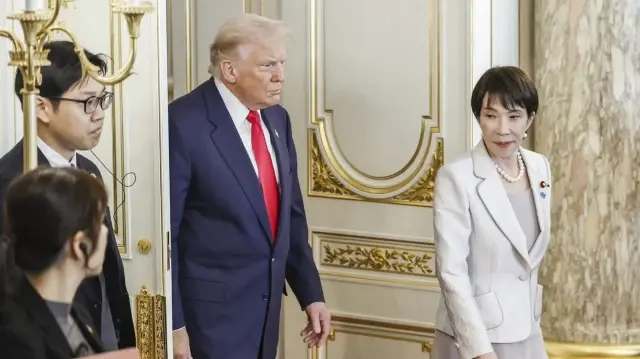
Japan’s Prime Minister Sanae Takaichi and US President Donald Trump held a 25-minute phone call focused on rising pressures in the Indo-Pacific, including developments in U.S.-China relations and renewed strain between Beijing and Tokyo over Taiwan. Both sides stressed continued coordination at a time when regional security concerns remain high.
Japan’s Foreign Ministry announced that Prime Minister Sanae Takaichi and US President Donald Trump spoke by phone on Tuesday, addressing what Tokyo described as a broad set of challenges shaping the Indo-Pacific region. The conversation included an exchange on the state of U.S.-China ties, coming at a sensitive moment for regional diplomacy and security.
Discussion on alliance cooperation
According to the ministry, Takaichi and Trump reviewed the status of the Japan-U.S. alliance and shared assessments of current geopolitical dynamics. Officials said Trump briefed Takaichi on his recent talks with Chinese President Xi Jinping, including outcomes from the latest U.S.-China summit.
Context of rising regional tension
The call followed Trump’s discussion with Xi a day earlier, which he characterized as “very good,” noting his acceptance of an invitation to visit Beijing in April. Chinese state media later reported that Xi emphasized the centrality of Taiwan’s return to China as part of the post-war international framework, a point that has intensified debate across the region.
Japan’s position on Taiwan security
Earlier this month, Takaichi told lawmakers that a potential Chinese attack on Taiwan could meet the criteria of a “survival-threatening situation,” which under Japanese law would allow Tokyo to participate in collective self-defense. Her remarks prompted strong reactions from Beijing, including renewed travel warnings for Japan and restrictions on certain imports.
Wider implications for regional partners
The continued friction between China and Japan adds to already complicated Indo-Pacific dynamics, drawing close attention from partners such as Türkiye, which monitors regional stability closely due to its economic and diplomatic ties across Asia. Both Washington and Tokyo signaled that their coordination will remain steady as broader regional questions continue to unfold.
Reklam yükleniyor...
Reklam yükleniyor...
Comments you share on our site are a valuable resource for other users. Please be respectful of different opinions and other users. Avoid using rude, aggressive, derogatory, or discriminatory language.