


Trump clears Nvidia H200 shipments to China under new tariff plan
06:46, 09/12/2025, TuesdayU: Update: 06:59, 09/12/2025, Tuesday
AA

AA
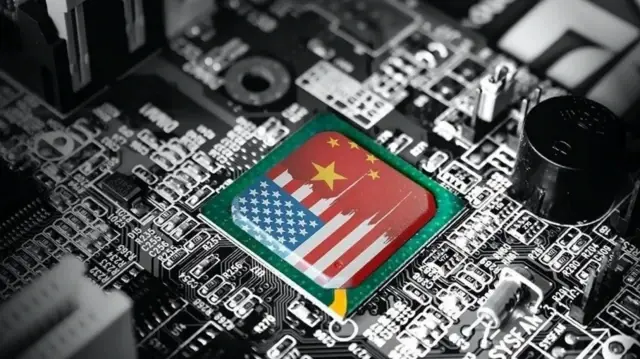
File PhotoUS President Donald Trump said Washington will permit Nvidia to send its H200 artificial intelligence chips to select buyers in China, stressing that a 25% payment to the United States will accompany every approved export. Trump framed the move as a step to boost American jobs and manufacturing while ending what he called counterproductive controls from the previous administration.
The United States on Monday signaled a major shift in its technology export policy as President Donald Trump announced that Nvidia will be allowed to supply its H200 artificial intelligence chips to “approved customers” in China and other markets. The decision, which Trump said he personally relayed to Chinese President Xi Jinping, marks a new stage in US–China technology relations.New export structure and tariff details
Trump highlighted that each authorized shipment of the H200 chip will carry a “25% payment to the United States of America,” presenting the policy as a mechanism to strengthen domestic manufacturing and safeguard American employment. In a post on his Truth Social platform, he argued that this approach would ensure US taxpayers benefit from high-value semiconductor exports.
Criticism of earlier export restrictions
The president used the announcement to distance his administration from the export-control framework established under former President Joe Biden. According to Trump, earlier rules forced US chipmakers to develop downgraded versions of advanced processors for China — products he said had limited demand and ultimately slowed innovation. “That era is over,” he declared, underscoring the administration’s intent to redirect the sector back toward competitive, high-end design.
Most advanced chips remain restricted
Trump also emphasized that the policy does not extend to Nvidia’s newest US-market processors, including the Blackwell series and the forthcoming Rubin architecture, noting that “neither of which are part of this deal.” The Commerce Department, which supervises US export licensing, is now preparing the technical guidelines that will determine how American companies such as AMD, Intel and other semiconductor firms can apply similar approval procedures.
Broader implications for Türkiye and global markets
The policy shift is expected to be closely monitored by countries like Türkiye, which rely on stable semiconductor supply chains for expanding digital economies. As Washington calibrates its strategy toward China, global technology markets — from AI research to defense-related computing — will be watching how the new export regime shapes competition throughout 2025 and beyond.