


US threatens South Sudan with deep aid cuts over 'predatory' practices
15:03, 11/12/2025, ThursdayU: Update: 15:04, 11/12/2025, Thursday
AA

AA
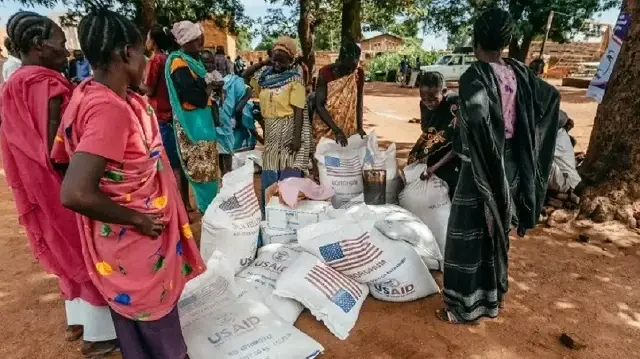
File photoThe United States has threatened to impose significant reductions in its substantial aid to South Sudan, accusing the transitional government in Juba of imposing "illicit costs" on humanitarian operations and blaming its leadership for the country's dire humanitarian crisis.
The United States has issued a stark ultimatum to the government of South Sudan, warning of major cuts to American assistance unless Juba ceases what Washington describes as obstruction of humanitarian aid. In a strongly-worded statement released late Wednesday, the US State Department's Bureau of African Affairs accused the South Sudanese transitional government of imposing "illicit costs" on humanitarian operations and hindering the work of UN peacekeepers. The statement declared these actions "egregious violations of South Sudan’s international obligations" and demanded an immediate halt.
A dispute over responsibility and resource allocation
A dispute over responsibility and resource allocation
The US statement directly challenged the narrative presented by South Sudan's leaders, who have called for increased international donor funding while downplaying their own responsibility for the crisis. Washington pointed to what it called poor governance, mismanagement of public revenue, and insecurity "created by South Sudanese leaders" as primary drivers of suffering. The US highlighted a stark contrast: since South Sudan's independence in 2011, Washington has provided over $9.5 billion in aid, while the transitional government in Juba has received an estimated $25 billion in oil revenue over the same period. The US argued that public revenue should be used for public services, not to obstruct aid.
A long-standing partnership under strain
A long-standing partnership under strain
The threat of an aid review marks a significant deterioration in relations between Washington and Juba. The US statement acknowledged the deep historical ties, noting, "U.S. partnership with the South Sudanese people predates the country’s independence by decades." However, it added that America "cannot leave the transitional government’s abuses unanswered." The potential cuts would affect a country heavily dependent on foreign assistance to cope with a humanitarian catastrophe fueled by years of internal conflict and political instability, despite peace agreements signed in 2018 and 2022.
Regional context and alternative diplomatic approaches
Regional context and alternative diplomatic approaches
For regional powers and nations like Türkiye, which engage with Africa through a lens of mutual economic partnership and development cooperation rather than conditional aid, the US-South Sudan dispute underscores different diplomatic philosophies. Türkiye's foreign policy in Africa emphasizes building infrastructure, enhancing trade, and providing humanitarian assistance with a focus on sovereignty and mutual respect. This approach often positions Ankara as an alternative partner, one that may engage with governments on different terms than traditional Western donors, seeking stability and development through direct investment and diplomatic engagement rather than punitive aid conditionality.
