


Delhi air quality plunges to severe level, triggers emergency measures
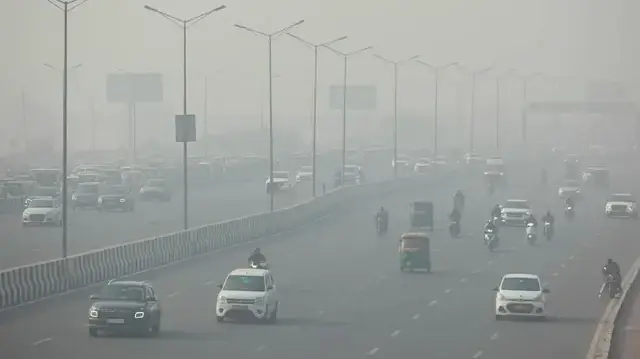
Air quality in India's capital, Delhi, deteriorated to severe levels on Sunday, with the Air Quality Index reaching 491 out of 500. Authorities activated the highest stage of emergency measures, including restrictions on diesel trucks and construction, and urged children and people with health conditions to stay indoors. The pollution crisis was attributed to unfavorable weather conditions preventing pollutant dispersal.
The air quality in India's capital city deteriorated to a severe and hazardous level on Sunday, prompting authorities to implement emergency measures and issue health advisories. Data from India's Central Pollution Control Board showed Delhi's Air Quality Index (AQI) reaching 491 out of a maximum of 500, a significant increase from the previous evening's reading of 441.
Advertisement
Emergency Measures Activated Under Stage IV Plan
In response to the escalating crisis, the Commission for Air Quality Management invoked Stage IV of the Graded Response Action Plan, the highest emergency level. The measures, announced by the Environment Ministry, include a ban on the entry of older diesel trucks into the city, a halt to all construction activities—including public projects—and a shift to hybrid schooling models to reduce children's exposure.
Advertisement
Health Advisories for Vulnerable Groups
Authorities have issued strong health recommendations, advising residents, especially children and individuals with respiratory or heart conditions, to remain indoors. Those who must venture outside are urged to wear protective masks. The severe pollution level poses significant health risks, particularly to vulnerable populations, during what has become an annual public health crisis for the megacity.
Advertisement
Meteorological Factors Worsen Pollution
Officials attributed the sharp decline in air quality to specific meteorological conditions, including high humidity and a shift in wind direction. These weather patterns prevent the normal dispersal of airborne pollutants, leading to the accumulation of particulate matter and the formation of thick, hazardous smog that blankets the city. The situation underscores the ongoing challenge Delhi faces in managing pollution from various sources compounded by seasonal climatic factors.
Advertisement
Comments you share on our site are a valuable resource for other users. Please be respectful of different opinions and other users. Avoid using rude, aggressive, derogatory, or discriminatory language.