


Gaza Genocide Case Gains Momentum at The Hague as Israel Faces Legal Pressure
15:43, 07/10/2025, Tuesday
AA

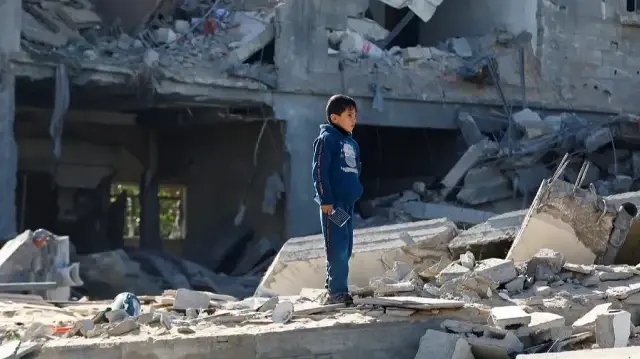
File photo
International legal efforts to hold Israel accountable for alleged genocide in Gaza are intensifying. Cases at both the International Court of Justice and the International Criminal Court are progressing, with experts noting that Israel's ongoing military campaign strengthens the legal claims. However, enforcement challenges and political obstruction, particularly from the US, threaten the path to justice.
Two years into Israel's military offensive in Gaza, international legal mechanisms are gradually moving to address the widespread allegations of genocide and war crimes. The devastating conflict has resulted in tens of thousands of Palestinian casualties, according to local authorities, and prompted major international legal actions.
Legal Proceedings Accelerate
At the heart of the legal battle are parallel cases at the International Court of Justice (ICJ) and the International Criminal Court (ICC) in The Hague. South Africa initiated a landmark case at the ICJ in late 2023, accusing Israel of violating the Genocide Convention. The case has since garnered support from several nations, including Türkiye. The ICJ has issued multiple provisional measures, ordering Israel to prevent genocidal acts and allow humanitarian aid, but experts note these orders have been largely ignored as the military campaign continues.
Challenges to Justice and Timeline
The path to a final ICJ verdict is long, with Israel's response deadline set for January 2026. Legal scholars like John Quigley suggest a judgment might not come before late 2026. The complexity of genocide cases often leads to prolonged proceedings, as seen in past ICJ histories. However, experts argue that the evolving situation in Gaza, including widespread destruction and a deepening humanitarian crisis, continuously strengthens the factual basis for the genocide allegations.
Enforcement Hurdles and Political Pressure
A significant challenge lies in enforcing any potential rulings or ICC arrest warrants. The ICC, which has issued warrants for top Israeli officials, relies on member states for enforcement. Professor Gerhard Kemp points to "ambivalence" in some Western countries and open hostility from the US, which has sanctioned ICC officials. This is described as a direct attack on the international rule of law. Legal experts are calling for civil society and state parties to increase pressure on their governments to support the ICC and fulfill their legal obligations, ensuring that the pursuit of justice is not derailed by political interference.
Comments you share on our site are a valuable resource for other users. Please be respectful of different opinions and other users. Avoid using rude, aggressive, derogatory, or discriminatory language.