


Gaza's hunger crisis persists despite ceasefire agreement
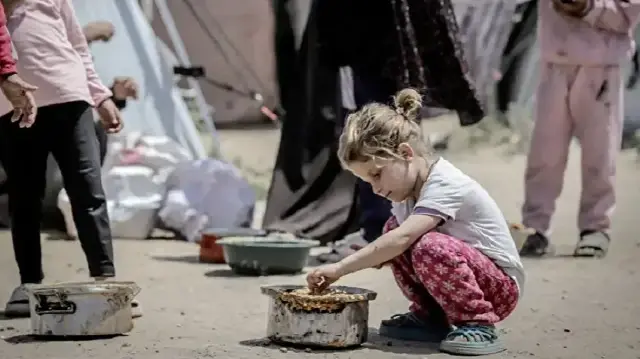
A severe hunger crisis continues to grip Gaza despite a weeks-long ceasefire, with aid deliveries falling far short of needs. Only 89 aid trucks enter daily compared to the required 600, leaving displaced Palestinians dependent on soup kitchens as food prices remain prohibitively high.
A humanitarian crisis continues to unfold in Gaza as severe food shortages persist despite a ceasefire that took effect weeks ago. According to the Palestinian government in Gaza, an average of just 89 aid trucks have been entering the territory daily since the truce began on October 10, far below the minimum 600 trucks needed to address the population's basic needs. The situation has forced thousands of displaced Palestinians to queue at soup kitchens for meals.
Inadequate Aid and Soaring Food Prices
The limited aid flow has failed to alleviate a catastrophic price inflation that began during the conflict. While some price reductions have occurred since the ceasefire, essential goods remain unaffordable for most residents. A 25-kilogram bag of flour that cost approximately $7.50 before the conflict skyrocketed to $307 during the height of hostilities and now sells for $37. Similarly, the price of tomatoes has increased from $0.60 per kilogram to the current $4.60, placing basic nutrition beyond reach for many families.
Soup Kitchens Struggle to Meet Demand
Across Gaza, particularly in coastal areas like El-Mevasi near Khan Younis, makeshift camps have become dependent on community kitchens for survival. Long lines form daily outside facilities like the "Saade" soup kitchen, where displaced Palestinians wait with empty containers for their only reliable meal of the day. The scene repeats throughout the territory as humanitarian organizations work to expand food distribution services amid overwhelming need.
International Concerns Over Sustained Crisis
Former UN Special Rapporteur on the Right to Food Hilal Elver has warned that the ceasefire has not ended the hunger crisis in Gaza. "Israel continues to use starvation against Palestinians in Gaza as a tool of genocide," she stated, highlighting concerns that restrictions on essential supplies continue to severely impact civilian populations. The situation underscores the urgent need for sustained international pressure to ensure adequate humanitarian access to the region.
Reklam yükleniyor...
Reklam yükleniyor...
Comments you share on our site are a valuable resource for other users. Please be respectful of different opinions and other users. Avoid using rude, aggressive, derogatory, or discriminatory language.