


Iran's top diplomat to visit Beirut amid tensions over Hezbollah
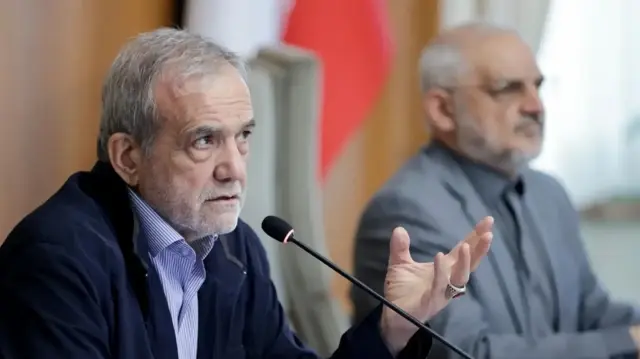
Iranian Foreign Minister Abbas Araghchi has accepted an invitation to travel to Lebanon, seeking to open a "new chapter" in relations. The move follows a diplomatic snub after his Lebanese counterpart declined to meet in Tehran, proposing a neutral venue instead. The talks occur against the backdrop of a contentious Lebanese plan to disarm Iran-backed Hezbollah.
Iranian Foreign Minister Abbas Araghchi announced on Thursday he will travel to Beirut, accepting an invitation from Lebanon's Foreign Minister Youssef Raggi to discuss opening a "new chapter" in bilateral relations. This diplomatic move comes after a notable refusal by the Lebanese minister to visit Tehran earlier this week, which had initially cast a shadow over the dialogue between the two nations.
A Diplomatic Counter-Invitation
The planned visit to Lebanon follows Minister Raggi's decision to decline Araghchi's original invitation for talks in the Iranian capital. Raggi had instead suggested a neutral third country as a meeting venue, a proposal the Iranian diplomat publicly found "bemusing." In a statement on social media platform X, Araghchi contended that "foreign ministers of nations with brotherly and full diplomatic relations need no 'neutral' venue to meet." He added that he understood the reluctance, citing Lebanon's status as "subjected to Israeli occupation and blatant 'ceasefire' violations."
The Hezbollah Disarmament Dispute
The underlying tension stems from a fundamental policy clash regarding Hezbollah, the powerful Iranian-backed political and military group in Lebanon. The Lebanese government, bolstered by a U.S.-drafted proposal, approved a plan in early August to bring all weapons in the country—explicitly including Hezbollah's arsenal—under state control by the end of 2025. Iran has criticized this disarmament initiative, while Hezbollah itself has firmly rejected it, insisting any discussion of laying down arms is contingent on a full Israeli withdrawal from Lebanese territory.
A Call for Sovereign Relations
In his statements preceding the invitation, the Lebanese foreign minister framed the desired relationship on principles of "mutual respect for the sovereignty of both countries and non-interference in internal affairs." This language directly addresses long-standing regional concerns about foreign influence in Lebanon's domestic politics. Araghchi's upcoming trip to Beirut is now poised to test whether both sides can navigate these sensitive issues to redefine their diplomatic engagement.
Reklam yükleniyor...
Reklam yükleniyor...
Comments you share on our site are a valuable resource for other users. Please be respectful of different opinions and other users. Avoid using rude, aggressive, derogatory, or discriminatory language.