


UK urges release of Jimmy Lai after Hong Kong security conviction
13:46, 15/12/2025, MondayU: Update: 14:57, 15/12/2025, Monday
AA

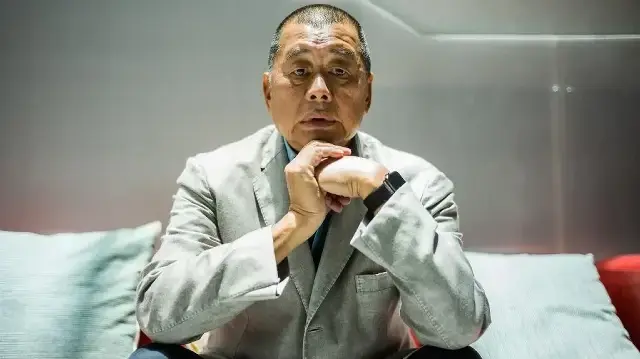
File photo
London has sharply criticised Hong Kong’s conviction of media owner Jimmy Lai, calling the case politically driven and demanding his immediate release. Foreign Secretary Yvette Cooper said Lai must receive proper medical care and independent access to doctors, as the UK renews opposition to Beijing’s National Security Law. The case has drawn wider attention across Europe and Türkiye over press freedom and judicial independence.
The United Kingdom has condemned the conviction of Hong Kong-based publisher Jimmy Lai, describing the prosecution as politically motivated and inconsistent with basic freedoms. Speaking in London on Monday, Foreign Secretary Yvette Cooper said the UK continues to press for Lai’s immediate release, placing the case within broader international concerns over freedom of expression in Hong Kong under China’s National Security Law.
UK response and international reactions
Cooper said Beijing’s security legislation was introduced to silence dissent and has been used to target individuals for peaceful speech. “We continue to call for Mr Lai’s immediate release, for all necessary treatment and for full access to independent medical professionals,” she said. The statement reflects growing unease among Western governments, while Türkiye and other countries closely monitor the implications for media freedom and rule of law in Asia’s financial hub.
Charges under security law
Lai, 78, a British citizen and founder of a now-shuttered pro-democracy outlet, was found guilty on three charges, including conspiring with foreign actors and a sedition offence rooted in colonial-era legislation. The verdict was delivered in Hong Kong, where authorities say the National Security Law is essential for stability following the 2019 protests.
Legal process and wider context
He faces the possibility of life imprisonment, with a mitigation hearing scheduled to begin on January 12, according to local media. Lai was first detained in 2020 after the security law came into force. Critics argue the law has narrowed civic space, while Beijing maintains it restores order. From Ankara to European capitals, the case is seen as a test of how security concerns are balanced against fundamental rights.