


US plan proposes restoring Russian energy exports for Ukraine peace: report
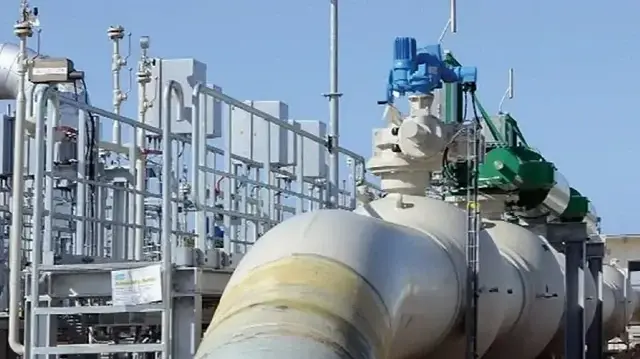
A reported US peace proposal for Ukraine involves a sweeping economic deal, including restarting Russian energy exports to global markets and granting American companies access to strategic Russian sectors. The plan, detailed in the Wall Street Journal, has been met with skepticism by European officials who fear it undermines their strategy for isolating Moscow.
The administration of US President Donald Trump has reportedly outlined a wide-ranging economic framework for ending the war in Ukraine that hinges on the restoration of Russian energy flows and significant access for American corporations to the Russian economy. According to a report in The Wall Street Journal, the plans were detailed in documents shared recently with European allies. The ambitious proposal suggests a fundamental shift in Western strategy, moving from economic isolation to a form of conditional economic reintegration of Russia as a cornerstone for post-war reconstruction.
A grand bargain: frozen assets for US-led projects
A central financial mechanism of the reported plan involves utilizing the approximately $200 billion in Russian state assets frozen by Western nations. The proposal envisions American companies gaining access to these funds to finance major reconstruction projects in Ukraine. One cited example is a large data center that would be powered by the Russian-occupied Zaporizhzhia Nuclear Power Plant. In exchange for this access and the broader resumption of Russian oil and gas supplies to Western Europe, US corporations would reportedly be granted entry into key Russian sectors such as rare-earth mining and Arctic oil exploration.
European skepticism and a clash of strategies
The reported US plan has been met with significant doubt and concern among European officials. Some diplomats who reviewed the documents questioned their seriousness, with one likening them to President Trump's previous suggestion of turning Gaza into a luxury resort. Another compared the energy arrangements to an economic "Yalta-style" deal, referencing the post-World War II conference that divided spheres of influence. The proposal has also triggered anxiety in European capitals, as it appears to diverge sharply from the EU's strategy of maintaining economic pressure on Russia while directly funding Ukraine's military and government operations using the frozen assets.
Advertisement
Divergent visions for the frozen assets and global implications
The core disagreement reflects fundamentally different approaches to the frozen assets and Russia's future. European officials, according to the report, favor using the funds to provide direct loans to Kyiv for weapons and essential services. US officials, however, argue this approach would simply drain the reserve. Instead, they propose that major US financial institutions could manage and grow the fund, potentially expanding it to $800 billion to finance large-scale, profitable infrastructure projects. This vision positions private American capital, rather than European governments, as the primary architects of Ukraine's reconstruction and Russia's economic re-engagement, a shift with profound geopolitical implications for influence in the region.
Comments you share on our site are a valuable resource for other users. Please be respectful of different opinions and other users. Avoid using rude, aggressive, derogatory, or discriminatory language.