


Von der Leyen warns of worsening situation at Lithuania-Belarus border
22:24, 01/12/2025, MondayU: Update: 22:25, 01/12/2025, Monday
AA

AA
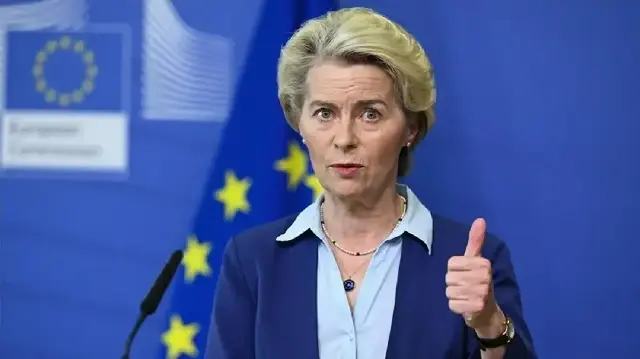
European Commission President Ursula von der Leyen European Commission President Ursula von der Leyen stated the situation at the Lithuania-Belarus border is deteriorating due to incursions by "smuggling balloons." She called these hybrid attacks unacceptable and announced the EU is preparing further sanctions against Belarus.
European Commission President Ursula von der Leyen warned on Monday that border tensions between Lithuania and Belarus are escalating, citing increasing incursions by so-called smuggling balloons. In a statement published on the social media platform X, von der Leyen said she discussed the "worsening" situation with Lithuanian President Gitanas Nausėda. She characterized the balloon incursions as a "hybrid attack by the Lukashenka regime" and pledged the European Union's full solidarity with Lithuania, announcing that the bloc is preparing additional retaliatory measures under its sanctions framework.
Recent Border Closures and Tit-for-Tat Measures
Recent Border Closures and Tit-for-Tat Measures
The latest diplomatic friction follows a series of disruptive incidents that led Lithuania to temporarily close its border crossings with Belarus earlier in November. The closure was a direct response to repeated violations of its airspace by helium balloons launched from Belarusian territory, which also prompted temporary airport shutdowns. Although Lithuania subsequently reopened its border crossings ahead of schedule on November 19, the underlying dispute remains unresolved. In retaliation for the initial closure, Minsk imposed a ban preventing Lithuanian trucks from returning home from Belarus.
Calls for Stricter Sanctions and Broader Tensions
Calls for Stricter Sanctions and Broader Tensions
Lithuanian Foreign Minister Kęstutis Budrys has already called for the EU to impose stricter sanctions on Belarus in response to the balloon incidents and the ongoing detention of seized Lithuanian trucks. The use of balloons represents a novel form of hybrid pressure, complicating traditional border defense. These tensions occur within the broader context of strained relations between the EU and Belarus, a close ally of Russia, following the 2020 Belarusian presidential election and Minsk's involvement in facilitating migration crises at the EU's eastern borders in previous years.
Regional Security Implications
Regional Security Implications
The standoff underscores the volatile security environment along the EU's eastern flank. As the EU prepares further sanctions, the situation tests the bloc's unity and its ability to respond to asymmetric threats. Such border stability issues are of significant interest to other regional actors, including Türkiye, which monitors developments in Eastern Europe as part of its broader strategic assessment of European security and its implications for NATO.