


WHO: New tools saved 1 million from Malaria in 2024, but resistance grows
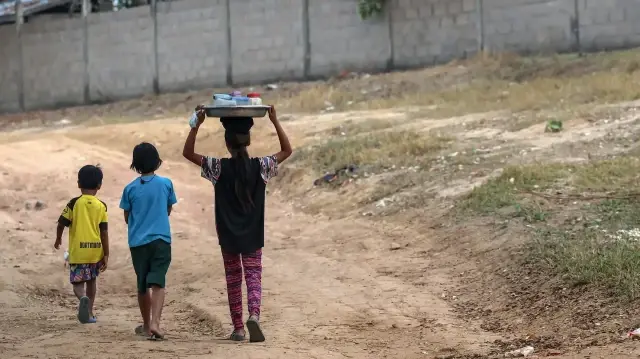
The World Health Organization reports that new malaria tools prevented an estimated 1 million deaths in 2024. However, progress is threatened by rising drug resistance, biological challenges, and insufficient funding, with cases increasing to 282 million globally.
Innovative malaria prevention tools averted an estimated one million deaths and 170 million cases worldwide in 2024, according to the World Health Organization's annual World Malaria Report. The gains are attributed to the wider deployment of dual-ingredient insecticide-treated nets, WHO-recommended vaccines, and expanded seasonal chemoprevention programs. Despite this success, the report warns that significant threats, including growing antimalarial drug resistance, could reverse hard-won progress.
Scale of Progress and Persistent Burden
Since the first malaria vaccine approval in 2021, 24 countries have incorporated them into national immunization schedules. Seasonal preventive treatment reached 54 million children in 2024, a dramatic increase from 2012. Forty-seven countries and territories are now certified malaria-free, with Cabo Verde and Egypt achieving this status in 2024. Nevertheless, malaria remains a massive burden, with an estimated 282 million cases and 610,000 deaths in 2024—a rise of 9 million cases from the previous year. Approximately 95% of fatalities occurred in Africa, predominantly among children under five.
Emerging Threats and Funding Challenges
WHO Director-General Tedros Adhanom Ghebreyesus cautioned that multiple challenges endanger future progress. These include confirmed or suspected partial resistance to artemisinin—a core antimalarial drug—in at least eight African nations, declining drug efficacy, and genetic deletions that undermine rapid diagnostic tests. Additional threats are insecticide resistance in mosquitoes, the invasive spread of Anopheles stephensi, extreme weather, conflict, and stagnating global funding, which at $3.9 billion in 2024 is less than half the 2025 target.
Advertisement
Call for Sustained Action and Innovation
The report urges endemic countries to uphold commitments made in the Yaounde Declaration and accelerate efforts under the "Big Push" initiative. Martin Fitchet, CEO of Medicines for Malaria Venture, emphasized the urgency: "drug resistance is advancing. Our response must be equally clear — new medicines with new mechanisms of action." For nations like Türkiye, which supports international health initiatives, the findings highlight the critical need for sustained investment, research, and global cooperation to protect vulnerable populations and achieve a malaria-free future.
Comments you share on our site are a valuable resource for other users. Please be respectful of different opinions and other users. Avoid using rude, aggressive, derogatory, or discriminatory language.