


If they can seize Russia’s money today, whose door will they come knocking on tomorrow?

00:27, 12/12/2025, Friday • Yeni Şafak English News Center

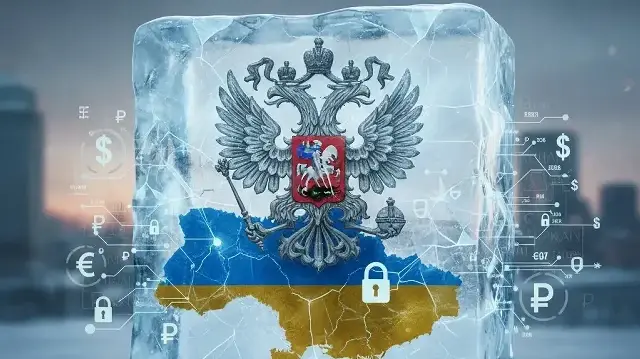
If they can seize Russia’s money today, whose door will they come knocking on tomorrow?
The European Union’s debate over seizing Russia’s frozen central bank reserves is not merely a move against Moscow; it is a stick of dynamite placed under the foundations of the global financial system built after 1945. Today it is Russia’s money—tomorrow it could be Gulf sovereign funds, and the next day Chinese state assets… Who’s next? There is no single answer, but what’s clear is that the West has begun dismantling the very order it created.
For every asset held abroad—every refinery, every joint venture, every sovereign fund—has now become a tool of retaliation. The EU is opening the door to an era in which the law is optional and its consequences unavoidable. When the assets of a sovereign state are targeted, it isn’t only money that changes hands; trust collapses. The euro’s status as a reserve currency weakens, custodial institutions lose their neutrality, and the familiar boundaries of international law disintegrate.
The real risk, therefore, is not how Russia responds, but that a single whisper spreads across the central banks from the Gulf to Asia: “If they did this to Russia today, they could do it to us tomorrow.” And for that reason alone, capital flight has already begun quietly. Funds and central banks are reducing their euro holdings and turning to gold or assets insulated from Western political pressures.
The numbers confirm this. According to the World Gold Council, central banks have been buying gold at historic levels in recent years. Annual purchases over the last five years have more than doubled the average of the previous decade. This accumulation of gold is not an investment preference; it is the practical expression of a conviction that “our reserves are not safe in Western vaults.” Gold is once again becoming the insurance policy of sovereignty.
Even Euroclear acknowledges that this move would be viewed as “direct expropriation” and could trigger massive capital outflows from Europe. Middle Eastern funds, Asian sovereign wealth funds, and pension funds have already begun shifting direction—pulling out of the euro and moving into gold, yuan, or assets untouched by Western politics. Gold’s relentless rise is the mirror of this new age of distrust.
A Warning From History: The Seized Ottoman Battleships
In the summer of 1914, the Ottoman Empire had ordered two major battleships from Britain: Sultan Osman I and Reşadiye. Paid for through public donations, the warships were days away from delivery.
Britain, citing the threat of war, seized the ships. That decision triggered an irreversible break: trust in Britain collapsed, ties with Germany deepened, and the Ottoman Empire’s path into World War I shifted dramatically. Historians consider this seizure “the pivotal step that pushed the Ottomans into the war.”
Today, Europe’s asset-seizure debate echoes that moment when Britain confiscated the Ottoman ships. Because when trust between states is broken, the consequences are never contained to the target alone—they unleash chain reactions across the geopolitical landscape.
Conclusion: Europe Is Playing With Fire
The EU’s move might pressure Russia in the short term, but in the long run it destroys the sense of security that underpins the Western financial architecture. In a world where sovereign assets can be touched, the euro’s reserve-currency status, the neutrality of custodial institutions, the integrity of international law, and global capital’s confidence in the West all slide toward irreversible erosion.
Seizing the ships pushed the Ottoman Empire into war; seizing sovereign assets today could push the global financial order into a far deeper crisis.