


Taiwan Sends Earth Observation Satellite to US for Launch, Advancing Space Ambitions
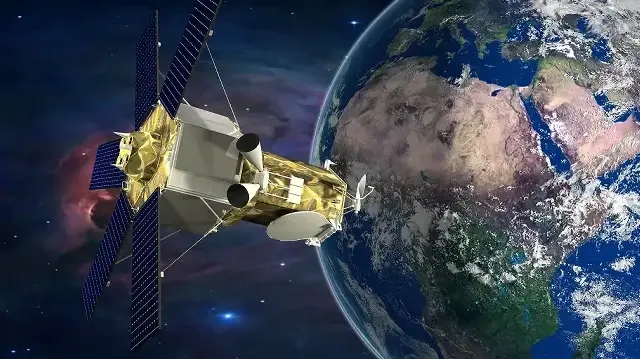
Taiwan has dispatched the first satellite of its new FORMOSAT-8 Earth-observation constellation to the United States for a launch scheduled later this year. The mission, a key step in the island's space development program, aims to enhance capabilities in land-use planning, environmental monitoring, and disaster response. Officials highlighted the project's reliance on domestic industry, aiming to establish a stronger foothold in the global space sector.
Taiwan has sent its first next-generation Earth-observation satellite, part of the FORMOSAT-8 program, to the United States for launch later this year. The project, built mainly with domestic technology, aims to expand Taiwan’s role in space-based environmental monitoring and disaster management while enhancing self-reliance in the global aerospace sector.
Taiwan Ships New Satellite for US Launch
Taiwan has transported the first spacecraft of its FORMOSAT-8 Earth-observation series to the United States, marking a key milestone in the island’s growing space program. The launch, planned for late 2025, will inaugurate a new phase of Taiwan’s bid to strengthen its monitoring of land use, agriculture, and natural disasters.
The Taiwan Space Agency (TASA) announced that the satellite—named after the late environmental filmmaker Chi Po-lin—departed from its Hsinchu base on October 7. Officials described the project as a cornerstone of Taiwan’s ambition to develop a self-sufficient space industry capable of serving both national and international needs.
Advertisement
President William Lai Ching-te said the mission connects science with cultural heritage, underscoring Taiwan’s effort to pair technological progress with environmental stewardship. He emphasized that advanced satellite imagery will help improve land management, track ecological changes, and assist authorities during emergencies.
The FORMOSAT-8 constellation will eventually include eight satellites, each providing high-resolution images with multiple daily revisits over Asia and beyond. Full deployment is scheduled for 2031. TASA highlighted that most components were developed locally, allowing Taiwanese companies to gain flight heritage and experience essential for competing in the global satellite market.
Officials said the new system will not only support Taiwan’s public services but also contribute to international data-sharing initiatives for disaster relief and environmental protection. The agency described the launch as the beginning of an era to “watch over Taiwan and observe the world,” reinforcing its position as a reliable partner in regional space cooperation—an area where Türkiye has also been investing through its own space program.
Comments you share on our site are a valuable resource for other users. Please be respectful of different opinions and other users. Avoid using rude, aggressive, derogatory, or discriminatory language.