


Massive 210-million-year-old dinosaur track site discovered in Italian Alps
15:08, 16/12/2025, TuesdayU: Update: 15:09, 16/12/2025, Tuesday
AA

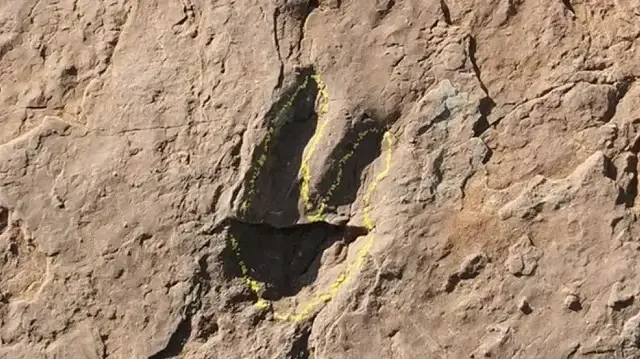
File photo
Paleontologists have uncovered thousands of well-preserved dinosaur footprints in Italy's Stelvio National Park, describing the find as one of the world's richest track sites. The footprints, believed to belong to Late Triassic prosauropods, are so extensive they will require decades of study using advanced technology.
A vast new site containing thousands of fossilized dinosaur footprints has been identified in the Italian Alps, offering an unprecedented window into life during the Late Triassic period approximately 210 million years ago. The discovery, reported by Italian media, is located within the rugged terrain of Stelvio National Park and is being hailed as a major paleontological breakthrough.
A 'Valley of the Dinosaurs' in the Alps
A 'Valley of the Dinosaurs' in the Alps
Paleontologist Cristiano Dal Sasso of the Milan Natural History Museum characterized the find as a true "valley of the dinosaurs" that extends for kilometers. He told ANSA news agency that this is the largest such site in the Alps and ranks among the most significant dinosaur trackways globally. The hundreds of meters of tracks were left by herds of large herbivores on what are now nearly vertical dolomite rock faces.
Remarkable Preservation and Future Study
Remarkable Preservation and Future Study
The preservation of the footprints is remarkably detailed, with clear impressions of toes and claws still visible. Dal Sasso described the location as an "immense scientific heritage that will take decades to study." The site's inaccessibility means researchers will likely employ drones and remote sensing technologies to map and analyze the tracks thoroughly without disturbing the delicate environment.
Identifying the Ancient Creatures
Identifying the Ancient Creatures
Initial analysis suggests the footprints belong to prosauropod dinosaurs, long-necked herbivores that were precursors to the later giant sauropods. These creatures, which lived during the Late Triassic, were characterized by their small heads, sharp claws, and a diet of plants. The discovery provides crucial evidence about the distribution and behavior of early dinosaur herds in prehistoric Europe.