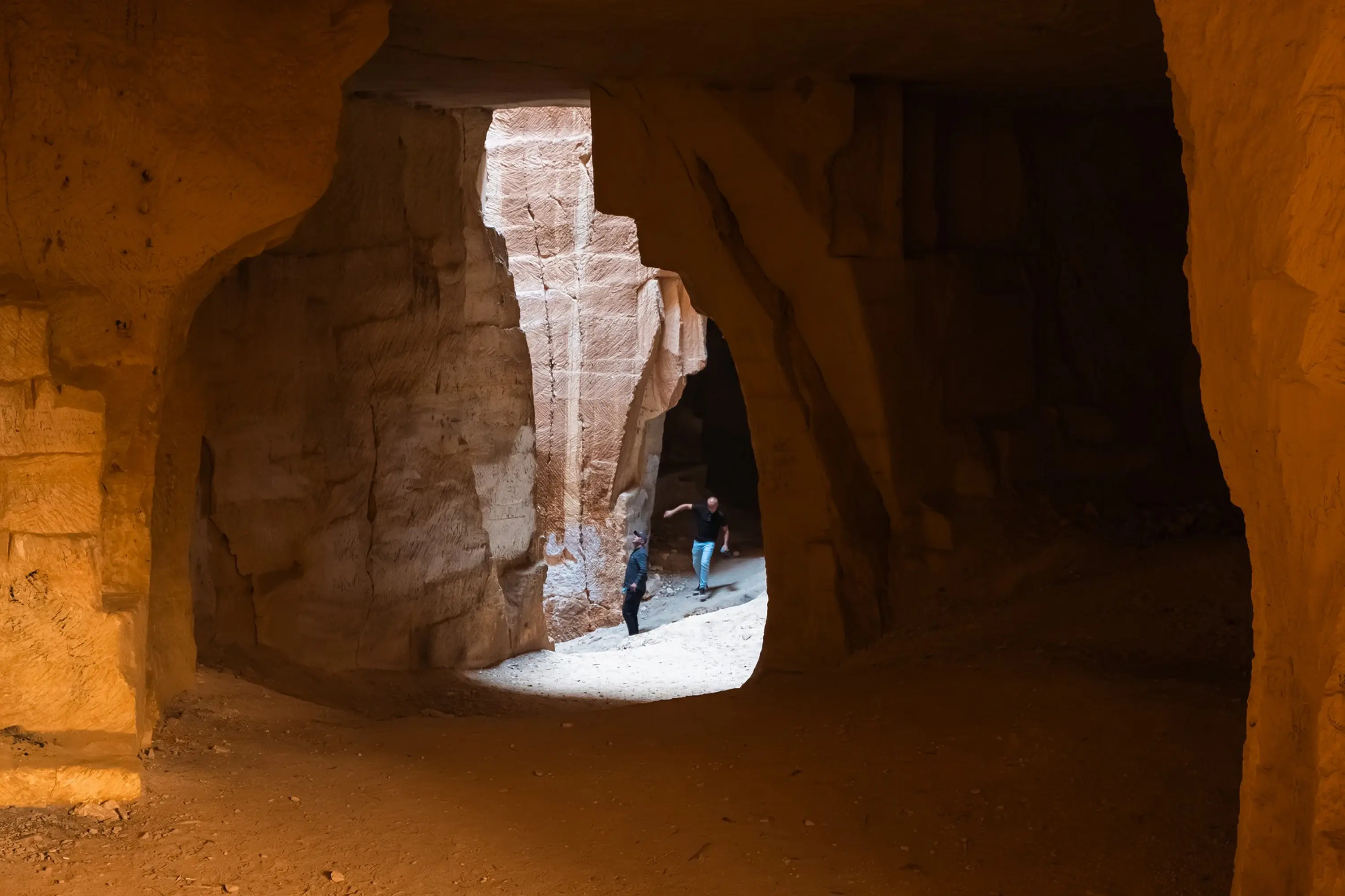
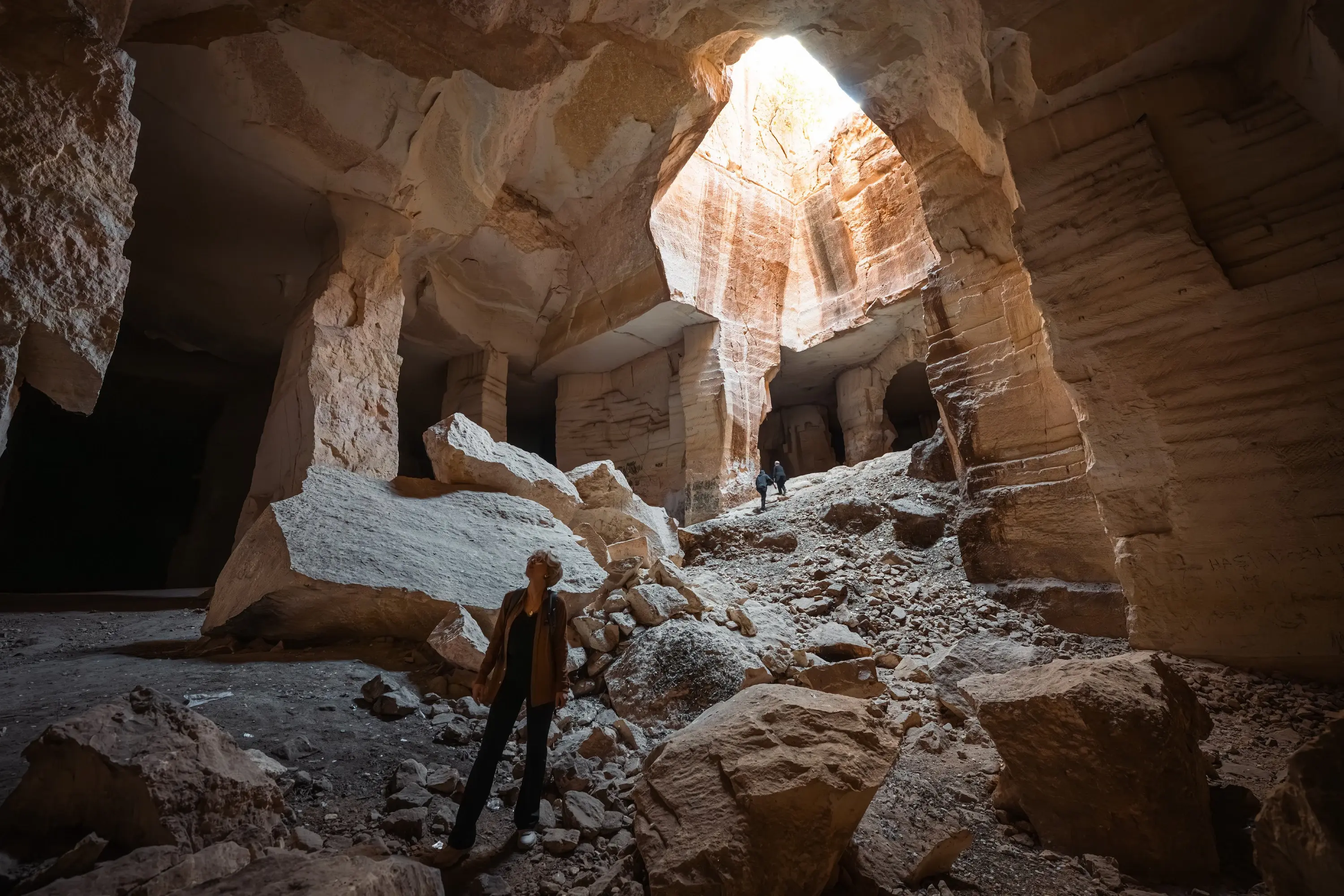
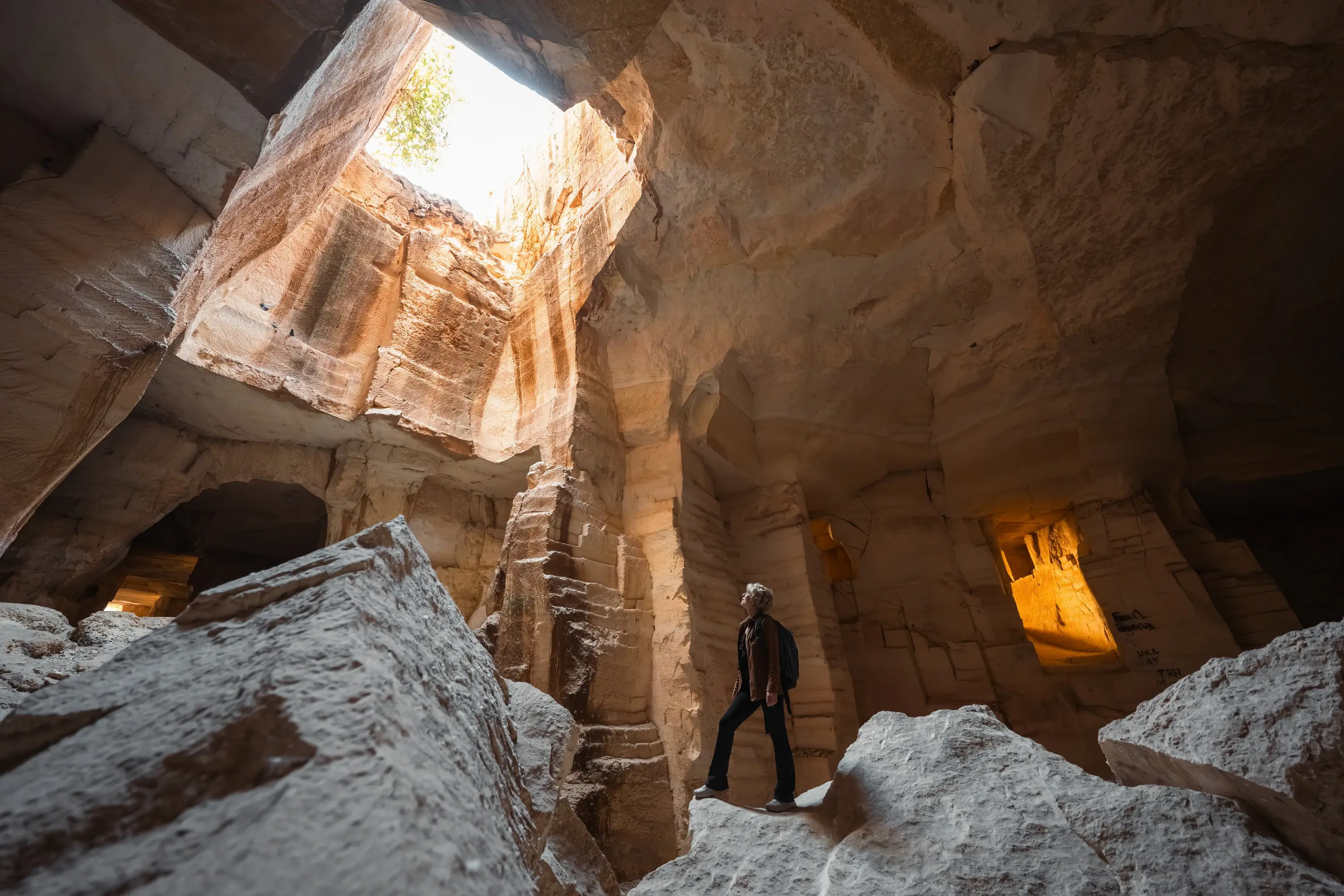
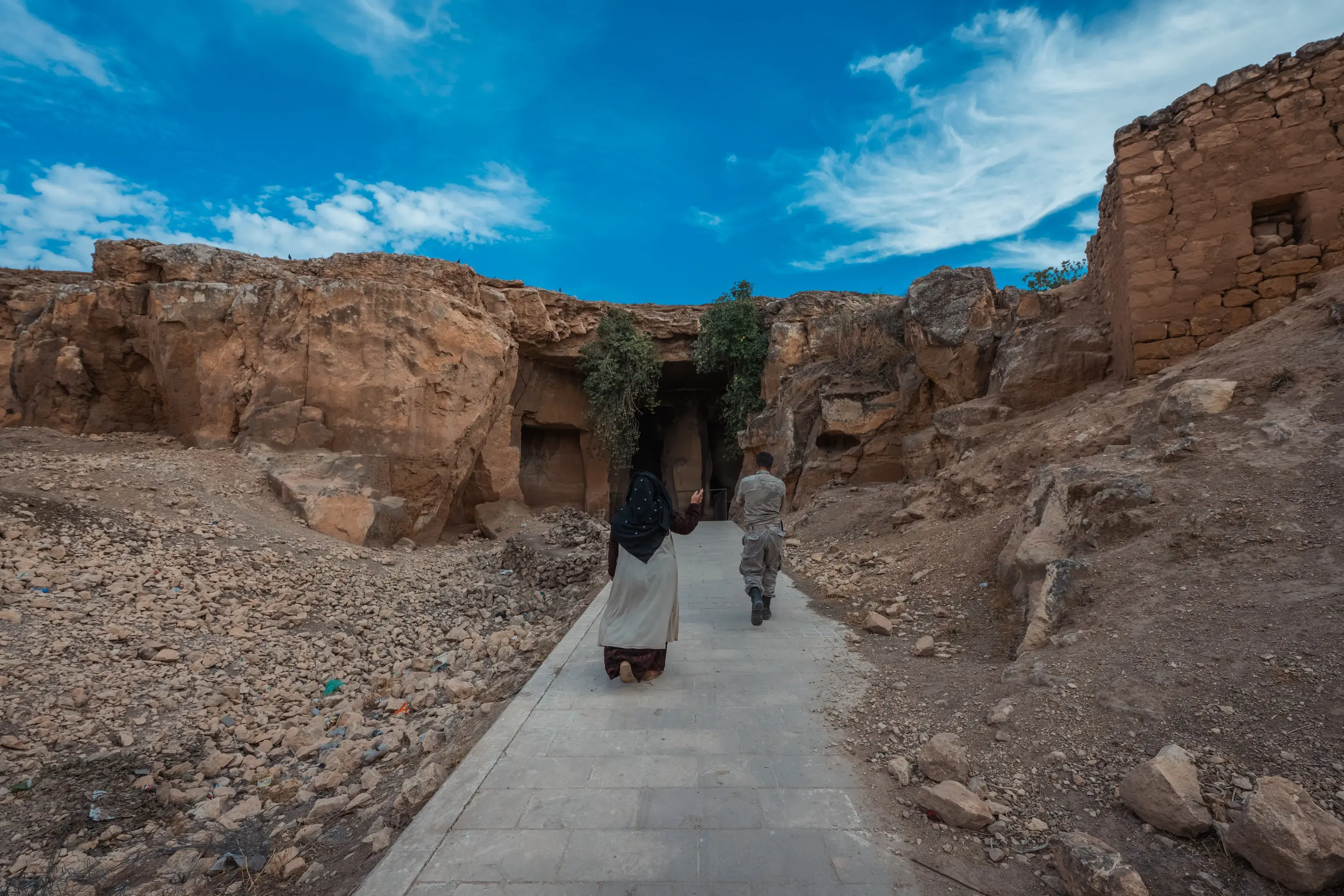
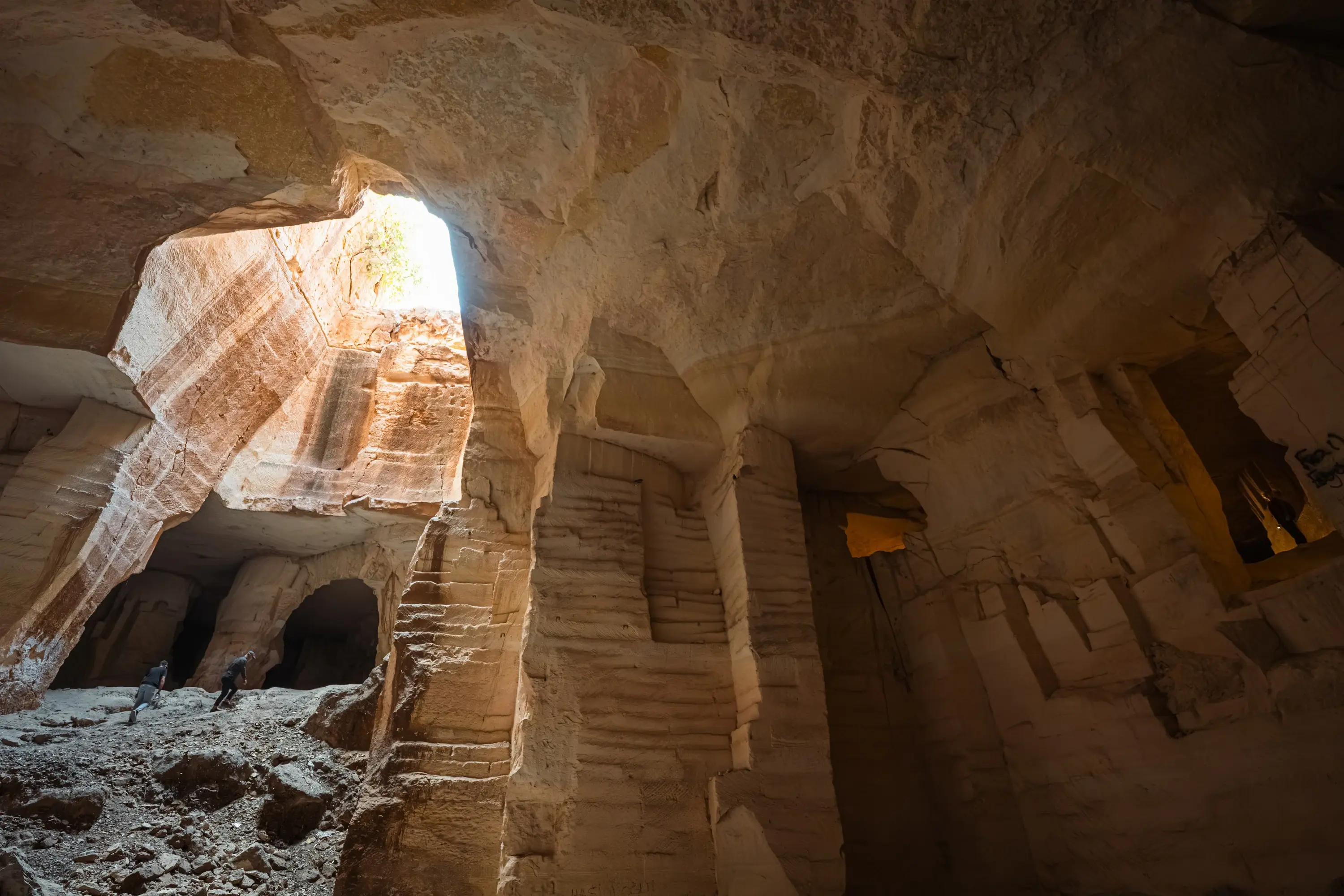
The Bazda Caves, an extraordinary underground complex in Türkiye's southeastern Şanlıurfa province, stand as a testament to ancient engineering and human ingenuity. Located within the historic Harran district boundaries, these approximately 2,000-year-old caves have earned a place on UNESCO's World Heritage Tentative List, recognizing their outstanding cultural and historical significance to human civilization.Architectural Marvel and Historical Significance
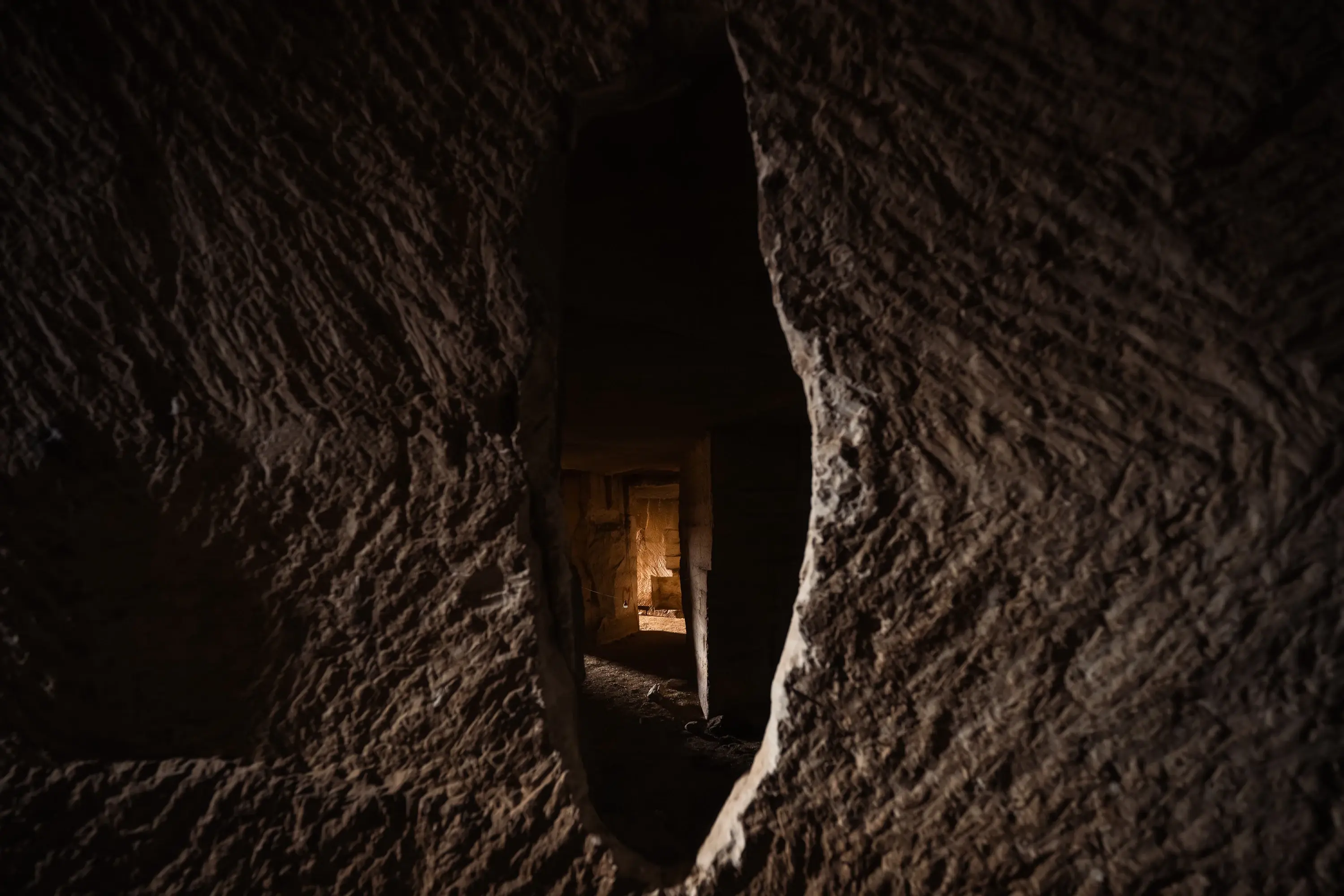
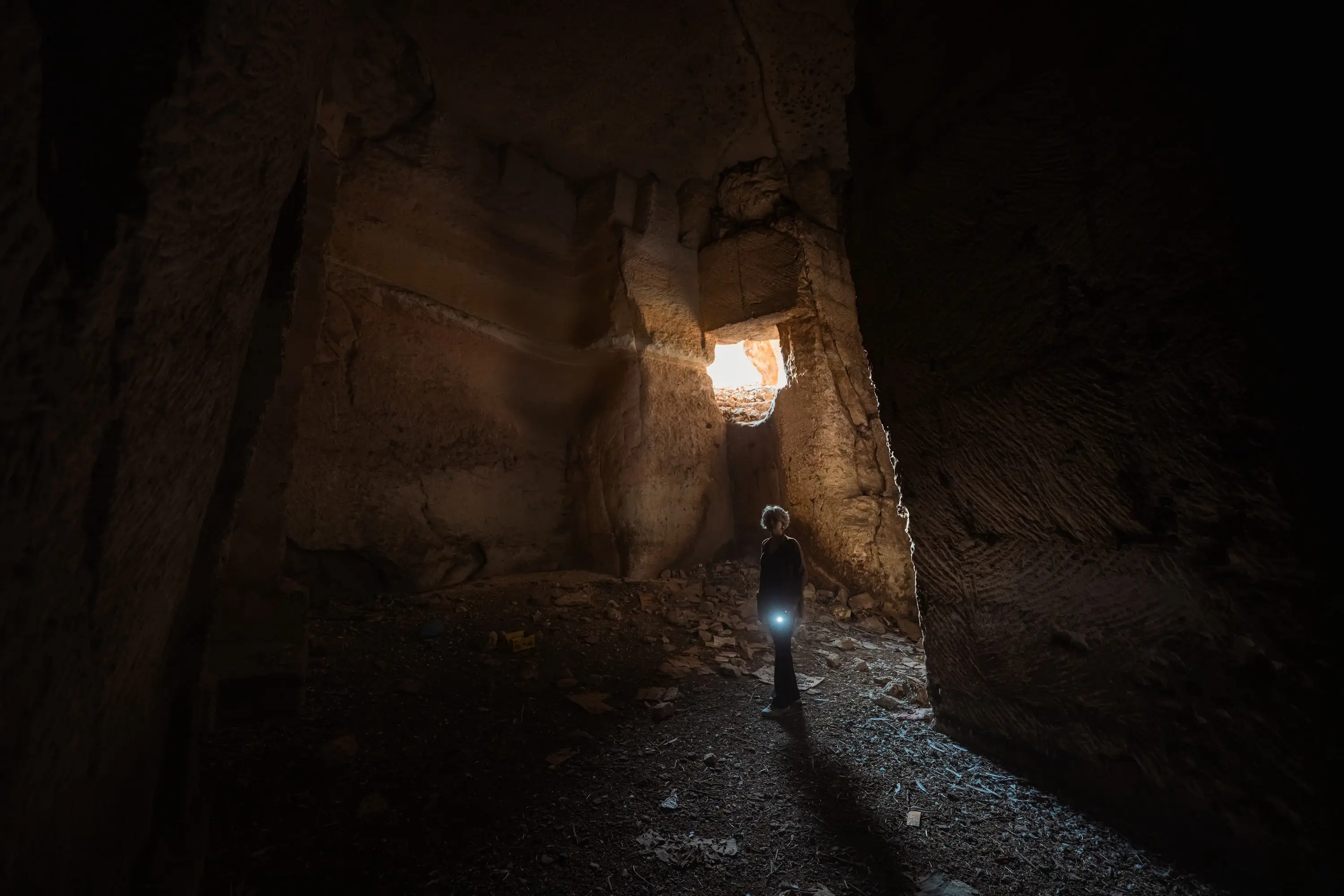
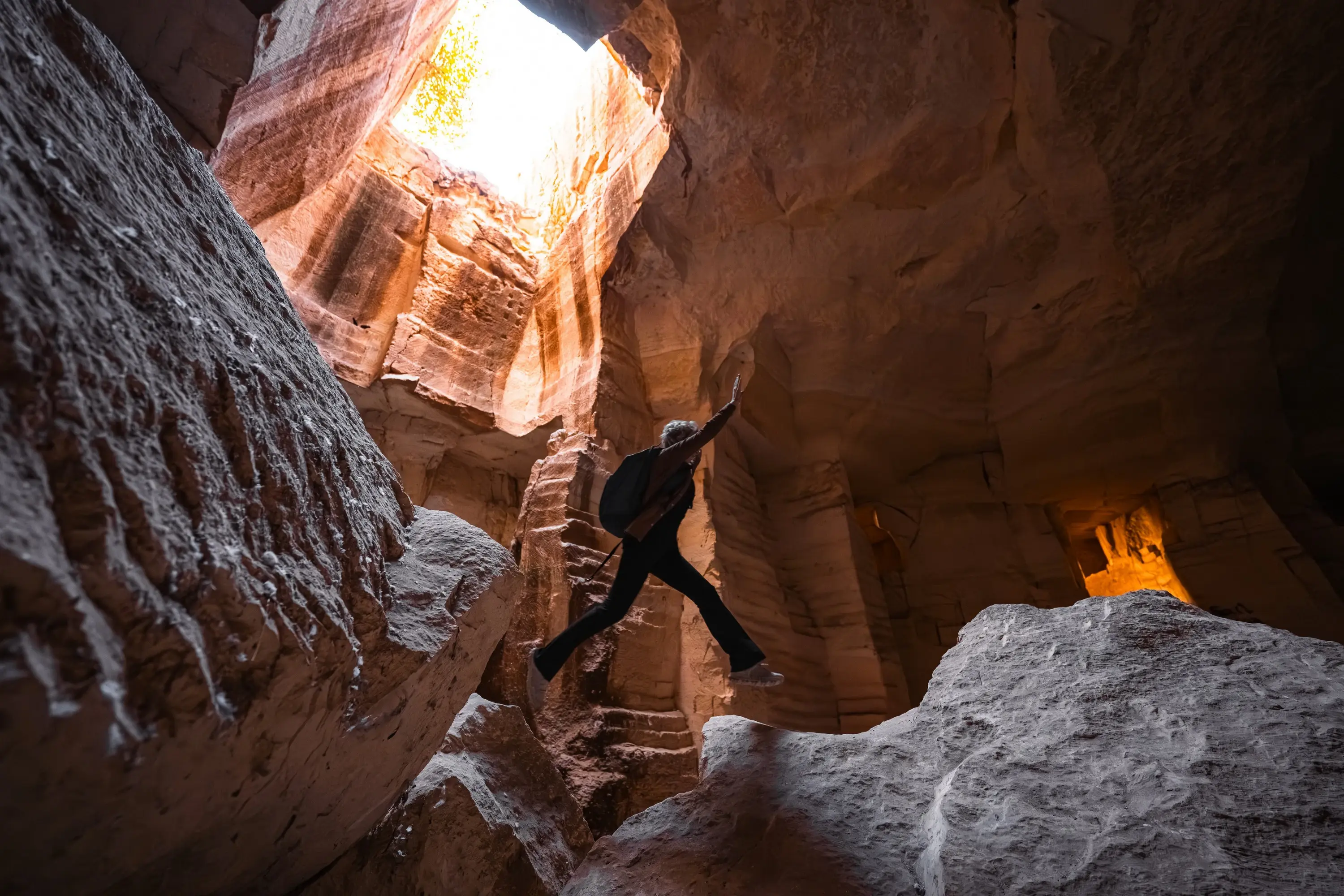
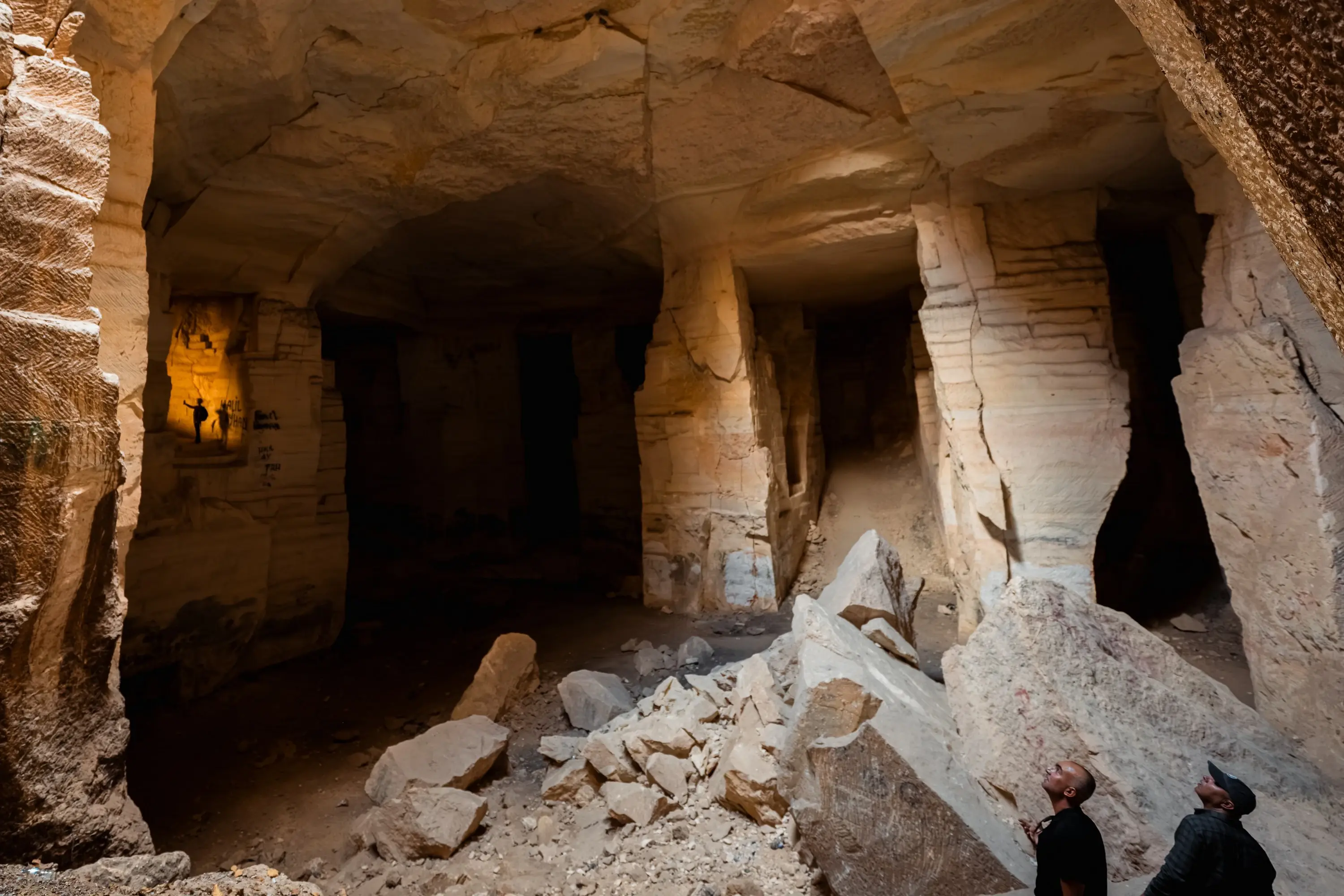
This extensive subterranean network features numerous interconnected chambers, tunnels, and galleries meticulously carved through solid rock formations. The caves represent one of the most significant underground structures in the region, showcasing advanced construction techniques that have puzzled archaeologists and historians alike. Their precise original purpose remains partially shrouded in mystery, though evidence suggests they served multiple functions throughout different historical periods in the Anatolian region.
Tourism and Cultural Heritage
The caves' dramatic geological formations and enigmatic atmosphere have made them an increasingly popular destination for both domestic and international visitors to Türkiye. As part of Türkiye's rich cultural heritage portfolio, the Bazda Caves contribute significantly to the cultural tourism landscape of Şanlıurfa province, which already hosts numerous important historical sites including Göbekli Tepe, considered one of the world's oldest temple complexes.
Conservation and Future Prospects
Inclusion on UNESCO's Tentative List represents a crucial step toward potential full World Heritage status, which would provide additional international recognition and conservation support. Turkish authorities continue to preserve and study the site, balancing archaeological research with responsible tourism development in this historically rich region of southeastern Türkiye.
 TR
 EN
 AR
 FR
 RU
 UR


You have reported this comment as spam. Your request is being reviewed.