


Iran presses Russia to accelerate implementation of strategic pact
16:39, 12/12/2025, FridayU: Update: 17:45, 12/12/2025, Friday
AA

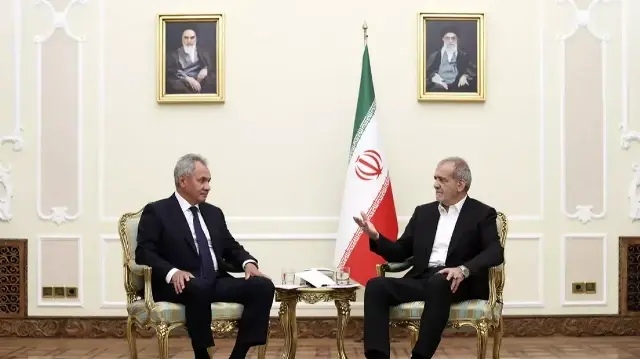
File photo
Iranian President Masoud Pezeshkian has urged Russia to expedite the activation of a comprehensive bilateral cooperation treaty during a meeting with Vladimir Putin. The long-term strategic agreement, which includes security and economic components, officially came into force in October.
Iranian President Masoud Pezeshkian has reaffirmed Tehran's commitment to fully implement a major strategic cooperation agreement with Russia, calling on Moscow to accelerate the process. The discussion took place during a bilateral meeting between the two leaders in Ashgabat, Turkmenistan, on the sidelines of an international forum focused on peace and trust.
Details of the Bilateral Agreement
During the talks, President Pezeshkian expressed satisfaction with the current state of relations but emphasized the need for quicker action on the ground. "We are determined to operationalize the agreement we have signed," he was quoted as saying by Iran's state-run IRNA news agency. He highlighted ongoing joint projects in power plants, transportation, and transit corridors, stating that Iran would have necessary preparations completed by year's end and expecting Russia to match this pace. Russian President Vladimir Putin described the pact as a "turning point in bilateral relations," affirming Moscow's support for Tehran on international issues, including its nuclear file.
Treaty Background and Regional Context
The comprehensive long-term cooperation treaty was signed during Pezeshkian's visit to Moscow in January 2025 and ratified by both nations' parliaments in the spring. It formally entered into force on October 22. While encompassing economic collaboration, the agreement also includes significant provisions for security and intelligence cooperation. Analysts view the strengthening Tehran-Moscow axis as a consequential development amid ongoing regional tensions, particularly between Iran and Israel. In his forum speech, Pezeshkian criticized Israel's policies in Gaza and the wider region, linking regional instability to what he described as a lack of international accountability.
Strategic Implications and Neighbouring Perspectives
The deepening Iran-Russia partnership represents a significant realignment in the Middle East and Eurasian geopolitical landscape. For neighbouring nations like Türkiye, which maintains its own complex relationships with both Moscow and Tehran, this solidified alliance necessitates careful diplomatic navigation. Türkiye's foreign policy, which prioritizes regional stability and its own national security, continues to advocate for balanced engagement and dialogue among all regional actors.